
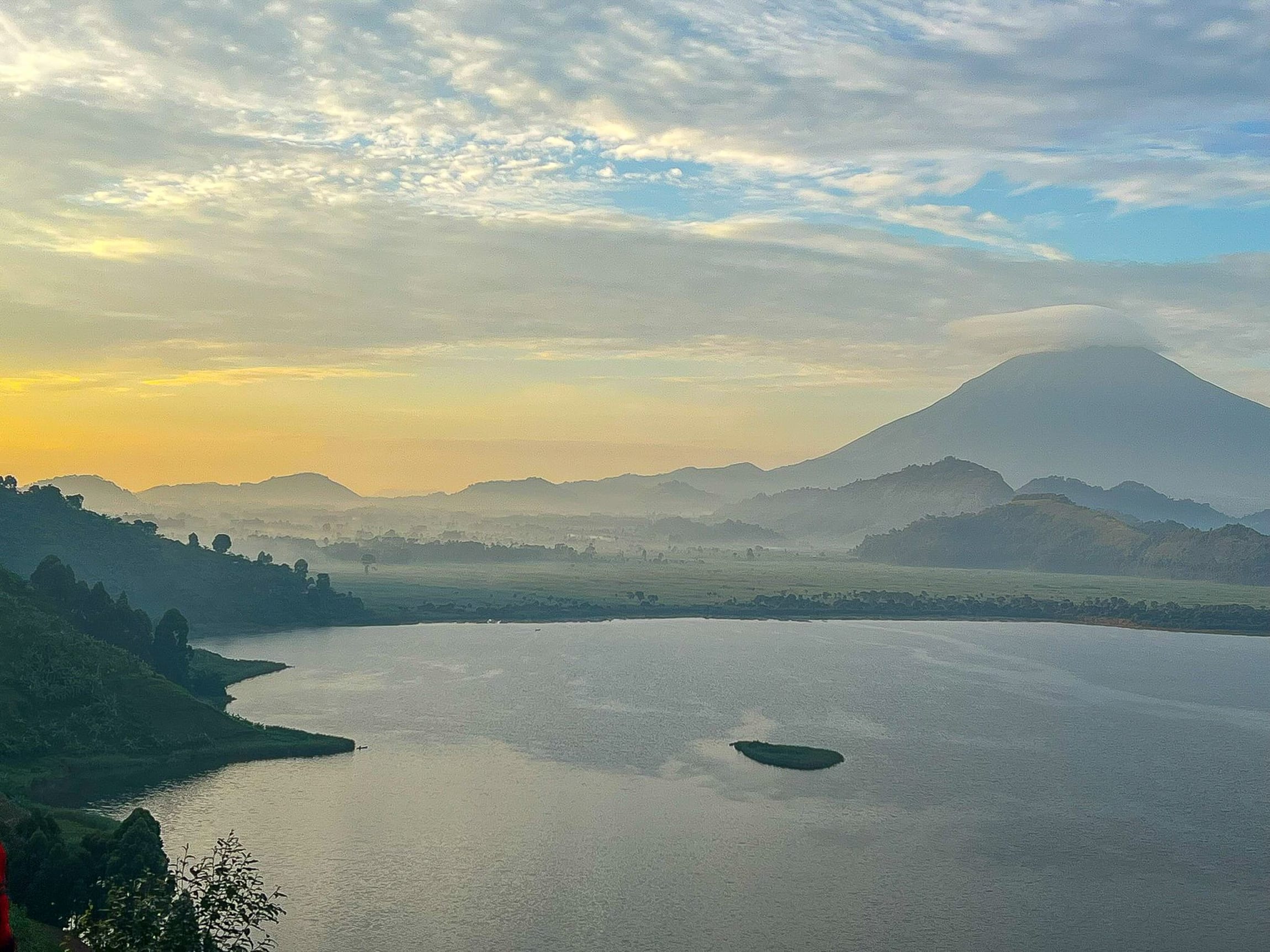
Overview
This Uganda Wildlife Adventure has been crafted following our scouting travels through the country, allowing us to refine logistics, strengthen partnerships, and experience each region exactly as our travelers would. The journey brings together our favorite wildlife encounters, from gorilla and chimpanzee trekking to classic savannah safaris and boat excursions, woven together with seamless light aircraft flights and trusted guides we know personally. Each lodge has been selected based on time spent on the ground, conversations with owners and managers, and a shared commitment to conservation and responsible tourism. The result is a deeply immersive itinerary that reflects how Uganda is best experienced today: unhurried, expertly guided, and rich in meaningful wildlife and cultural moments.
Moving through Uganda’s western Rift Valley, you'll trace a remarkable chain of ecosystems shaped by ancient tectonic forces and sustained by water. From the Nile River corridor and open savannahs of Murchison Falls to the crater lakes, wetlands, and forested gorges of Queen Elizabeth and Kyambura, each park reveals a distinct expression of the Rift Valley landscape. The journey continues south into the volcanic highlands surrounding Lake Mutanda and Bwindi Impenetrable Forest, where dense montane rainforest supports profound primate populations. Together, these protected areas create a cohesive narrative of Uganda’s biodiversity, linking river systems, savannah, and rainforest into a single, richly layered safari experience that is raw and fulfilling to the adventurous traveler.
Quick Summary
Day 1
Arrive in Entebbe, Uganda
Upon arrival at the airport, you will be met by our representative and transferred to your hotel by private car.
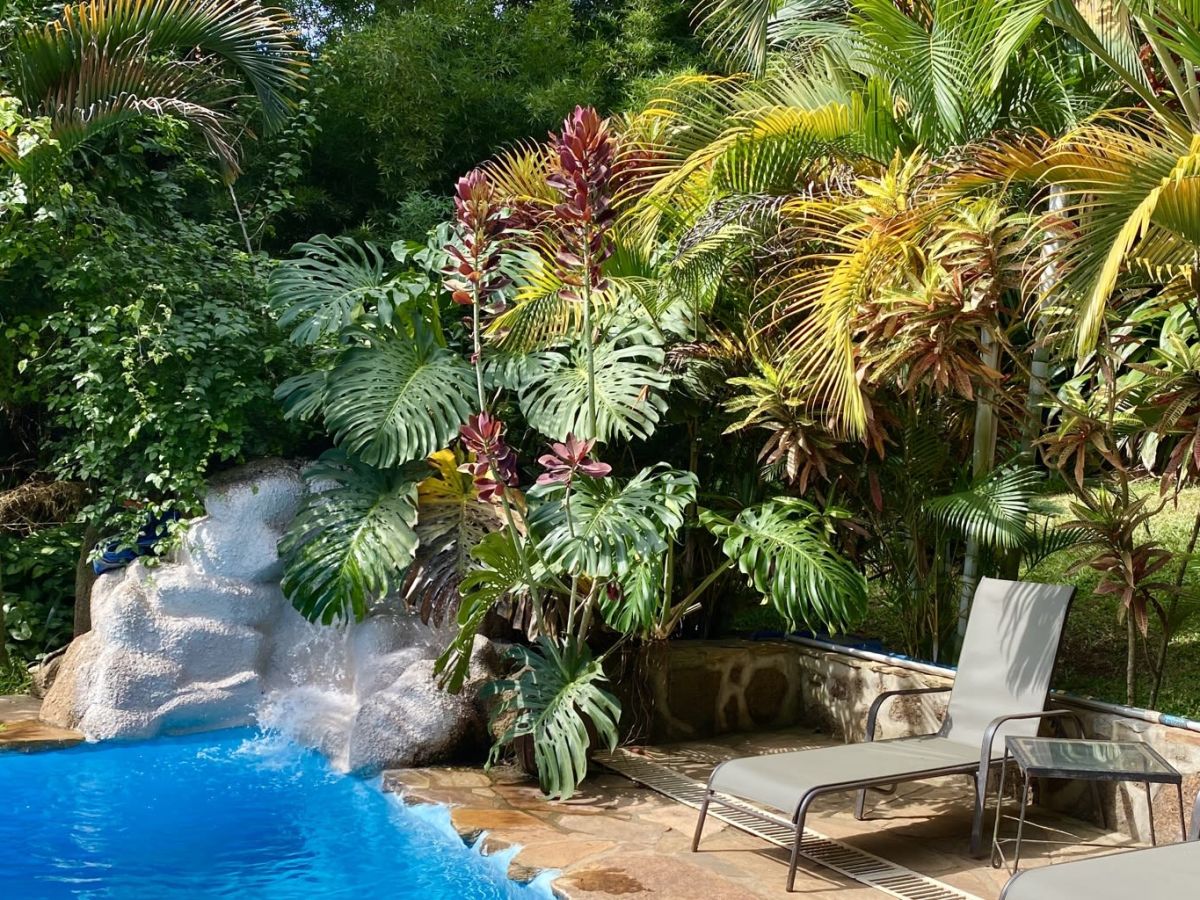
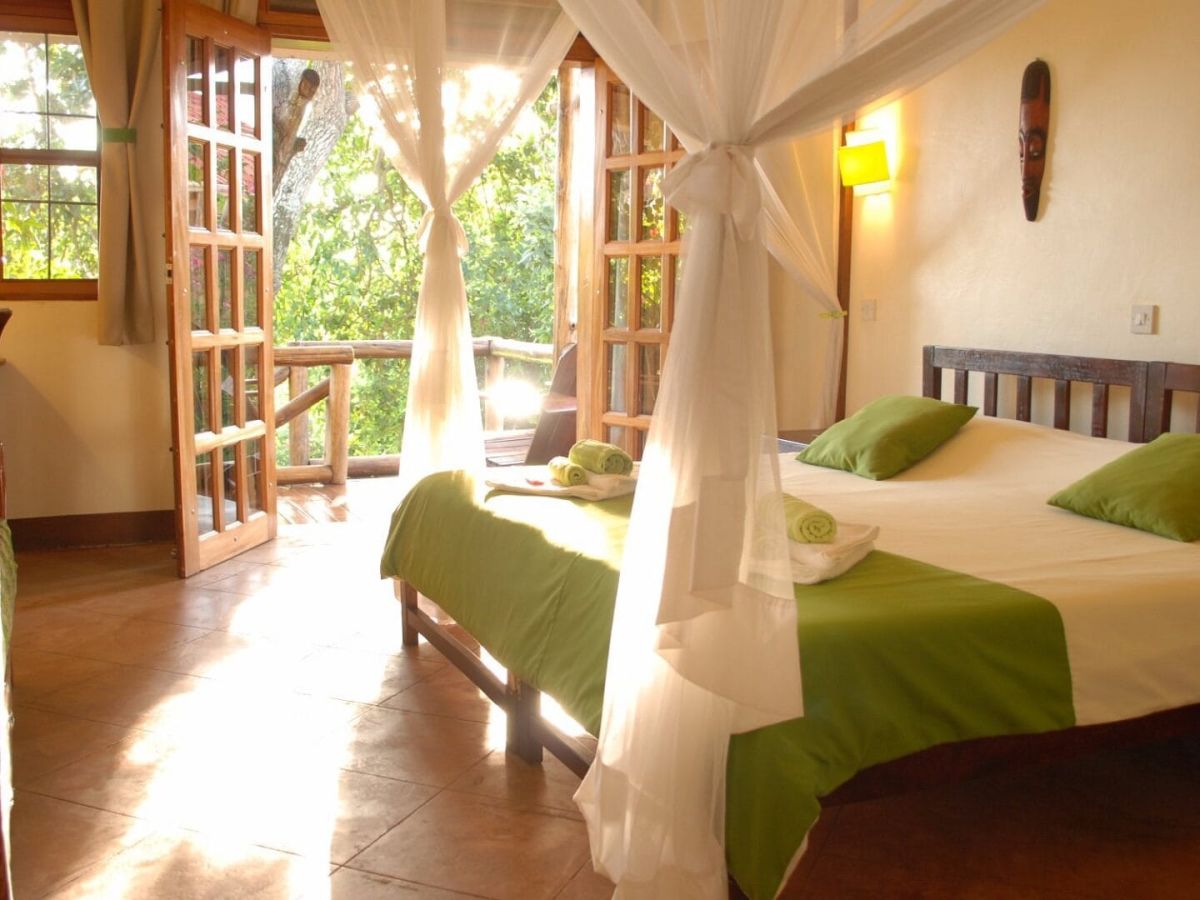
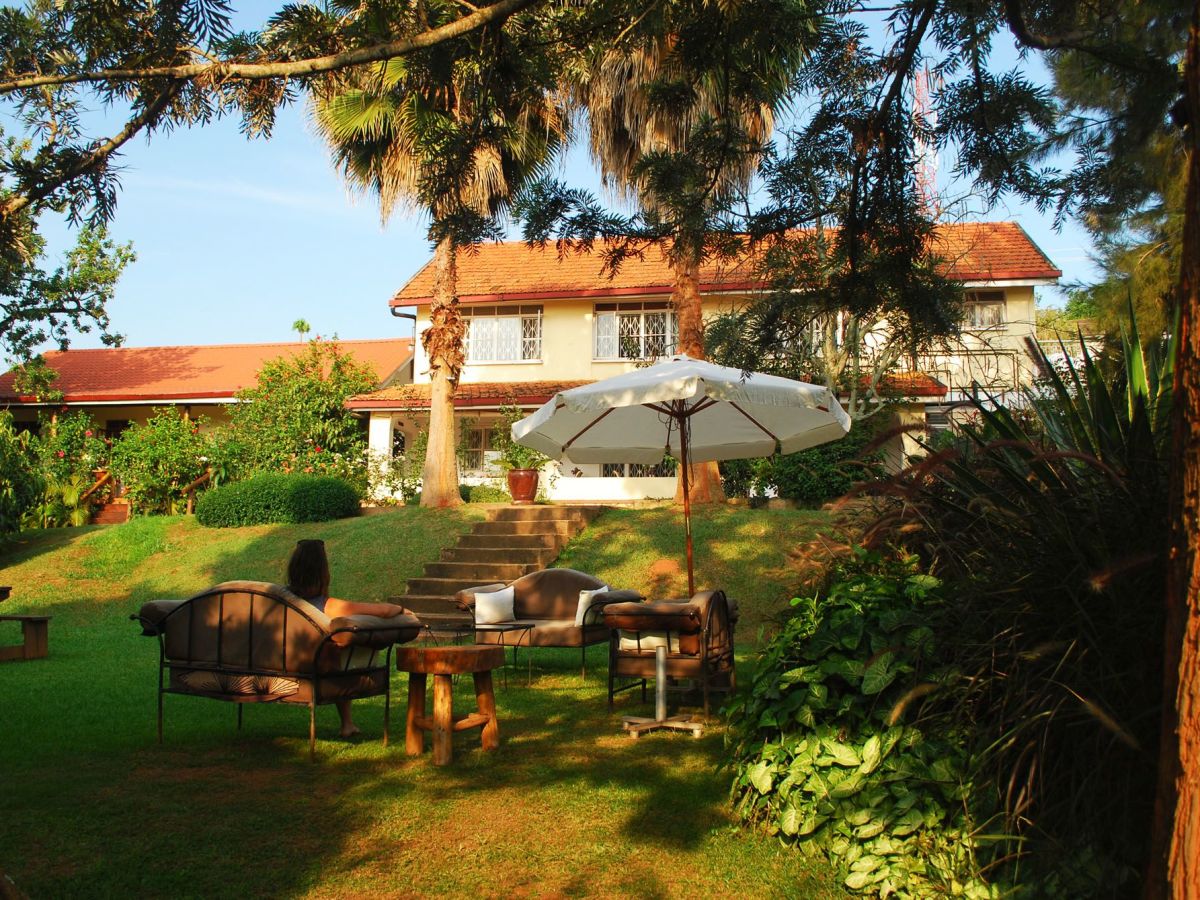
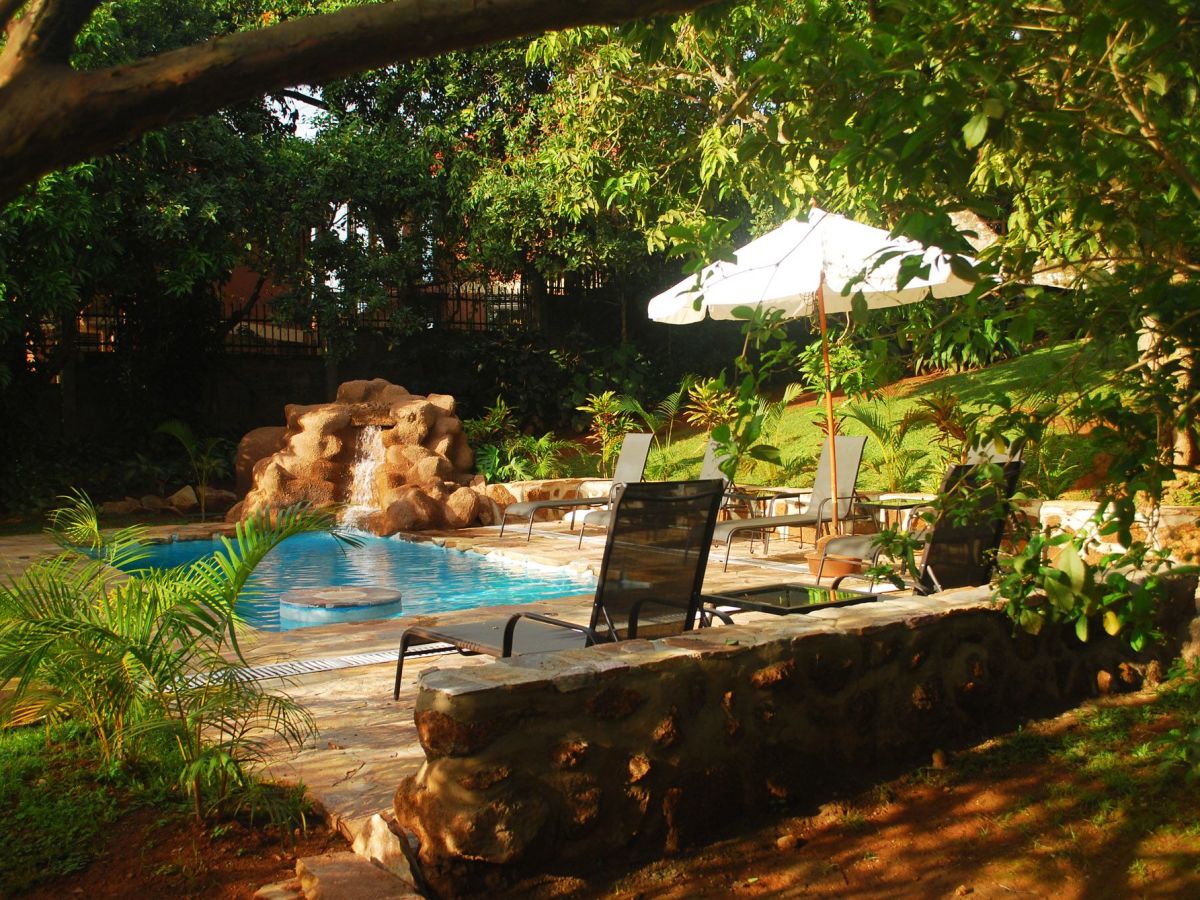
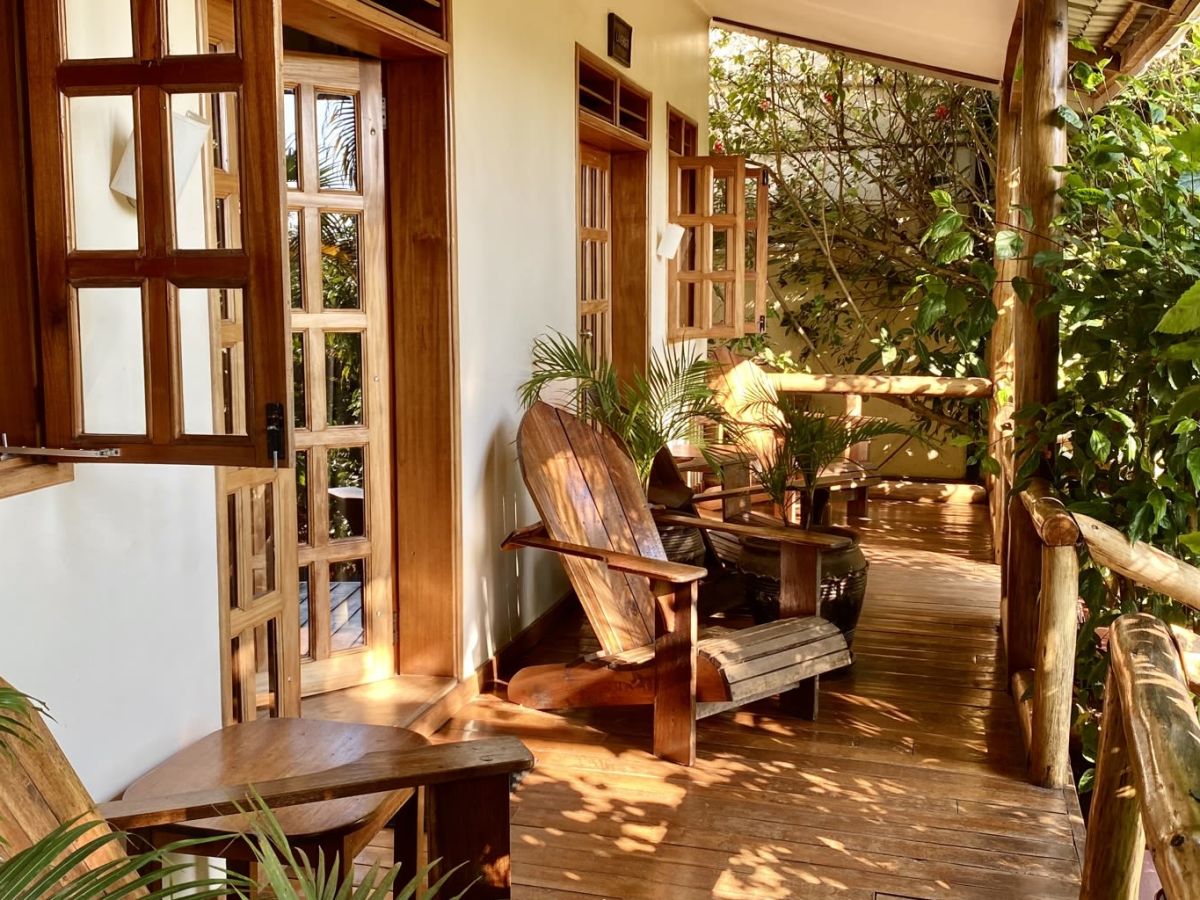
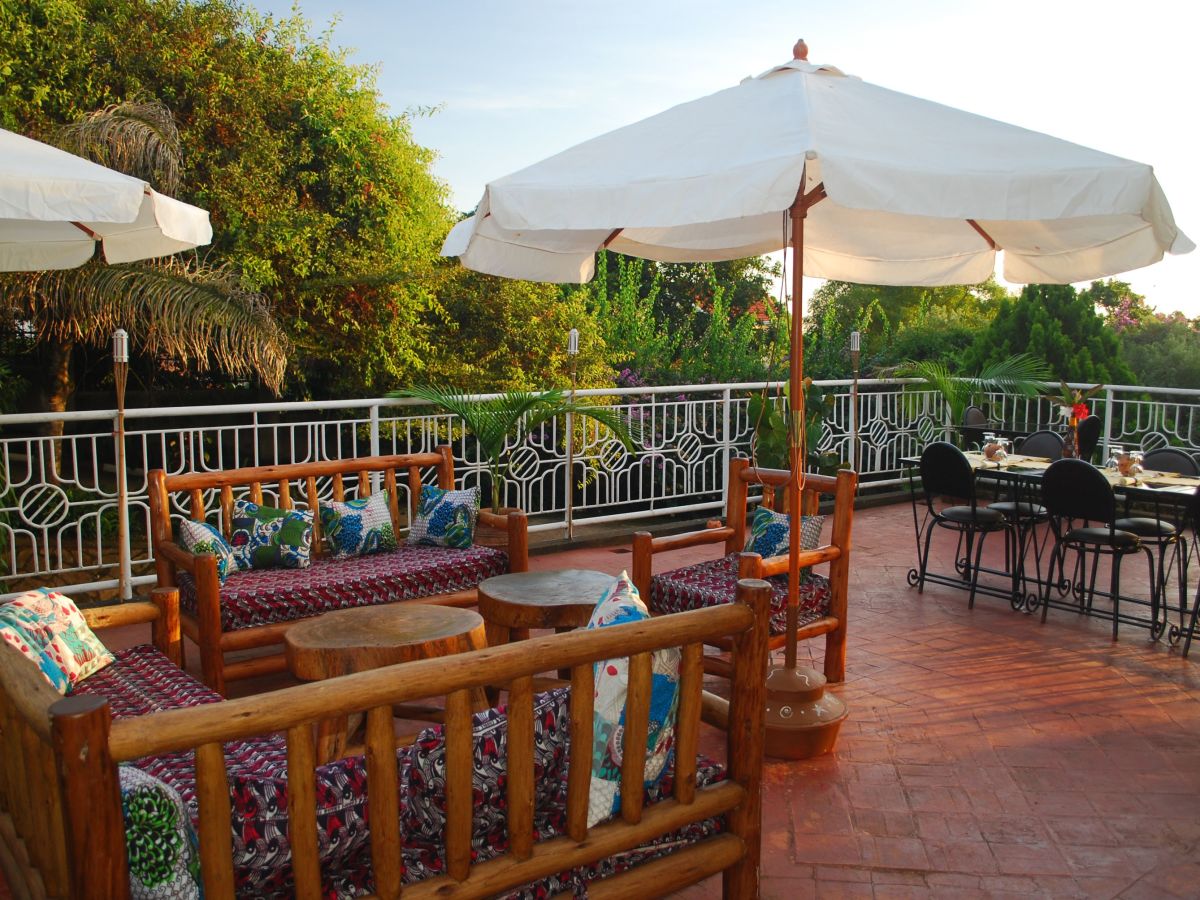
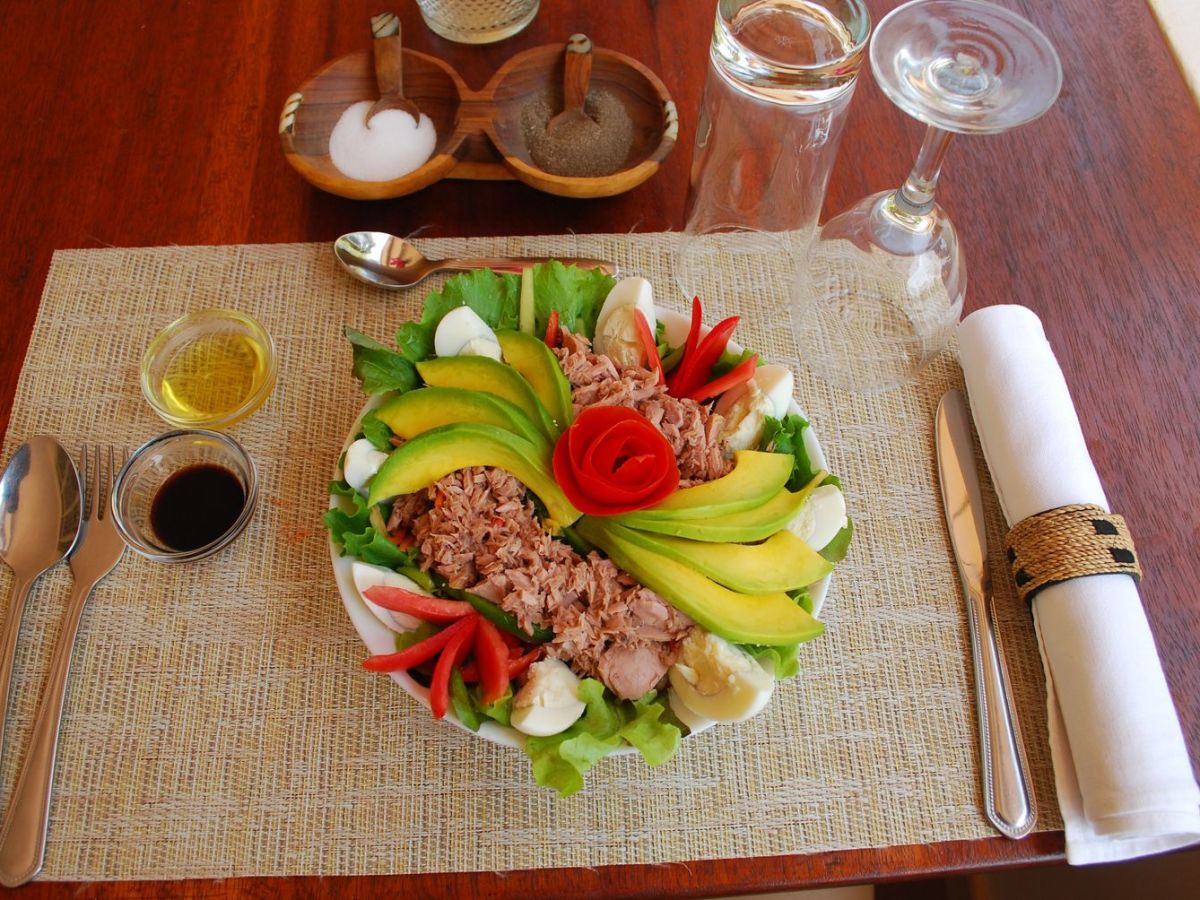
Karibu Guesthouse is a relaxed and welcoming base just minutes from Entebbe International Airport, ideal for overnight stays or easy arrivals and departures in Uganda. Set within a leafy residential neighborhood, the guesthouse offers simple, comfortable rooms, a peaceful garden, and warm, attentive hospitality. Home-cooked meals and a calm atmosphere make it a convenient and reassuring stop before or after a flight, without feeling rushed or impersonal.
Upgrade Option: Entebbe Forest Lodge
Daily Summary
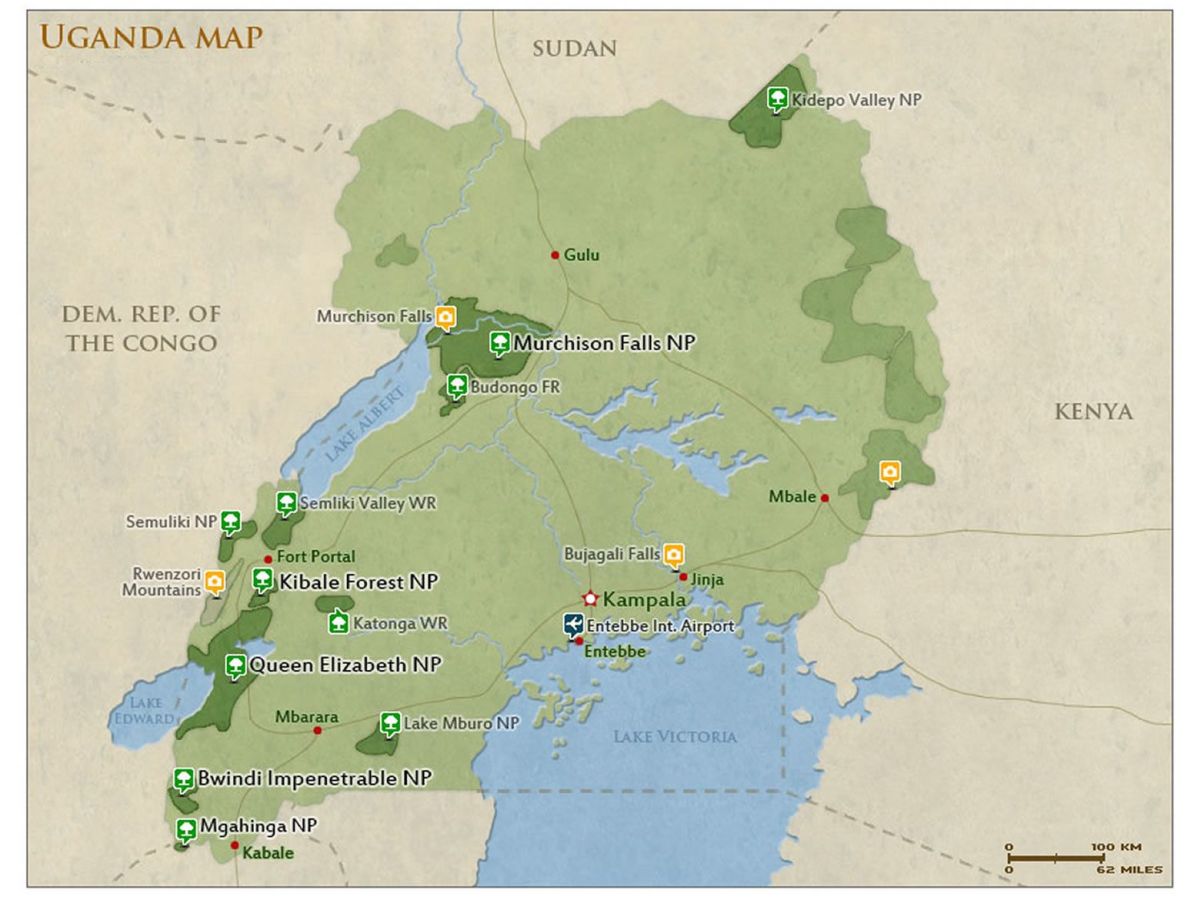
Day 2
Mabamba Wetlands Birding
Mabamba Wetlands Birding Tour
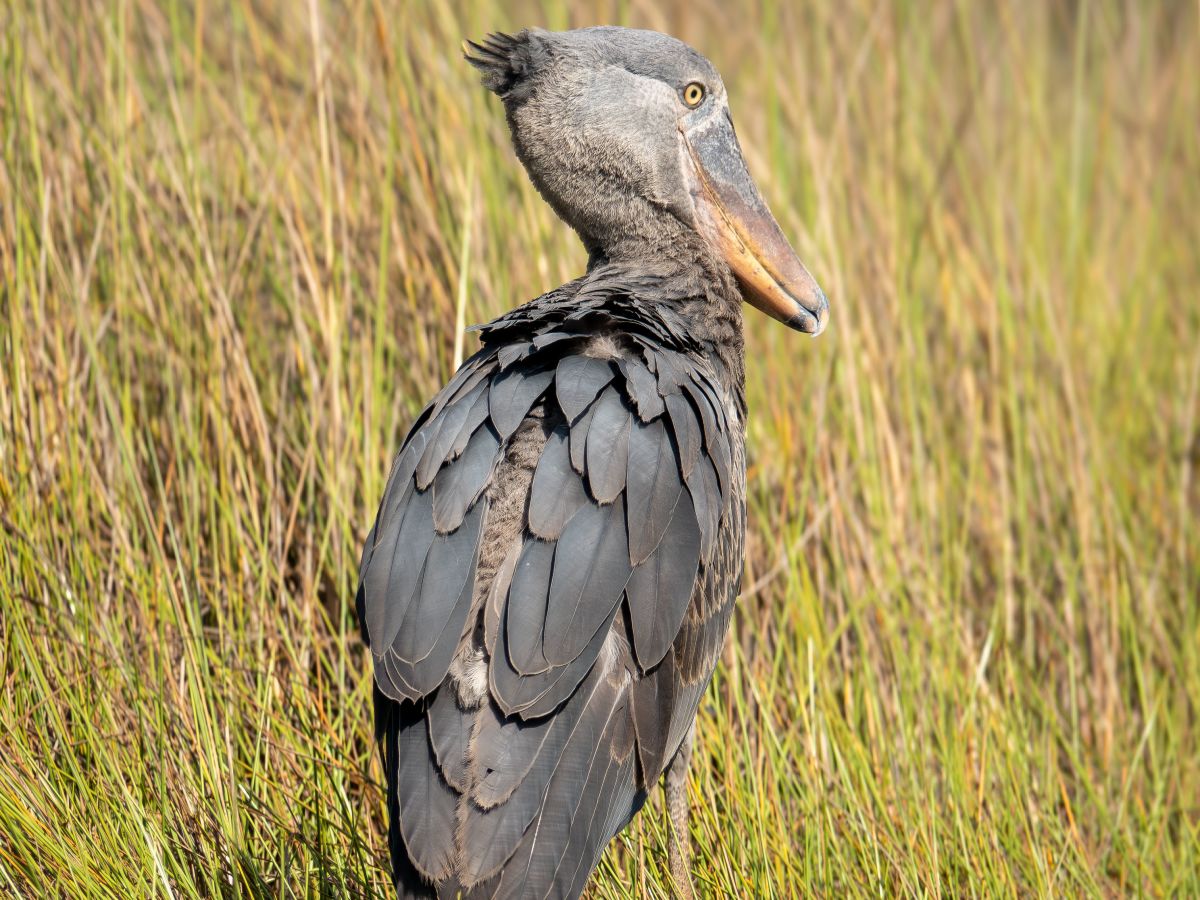
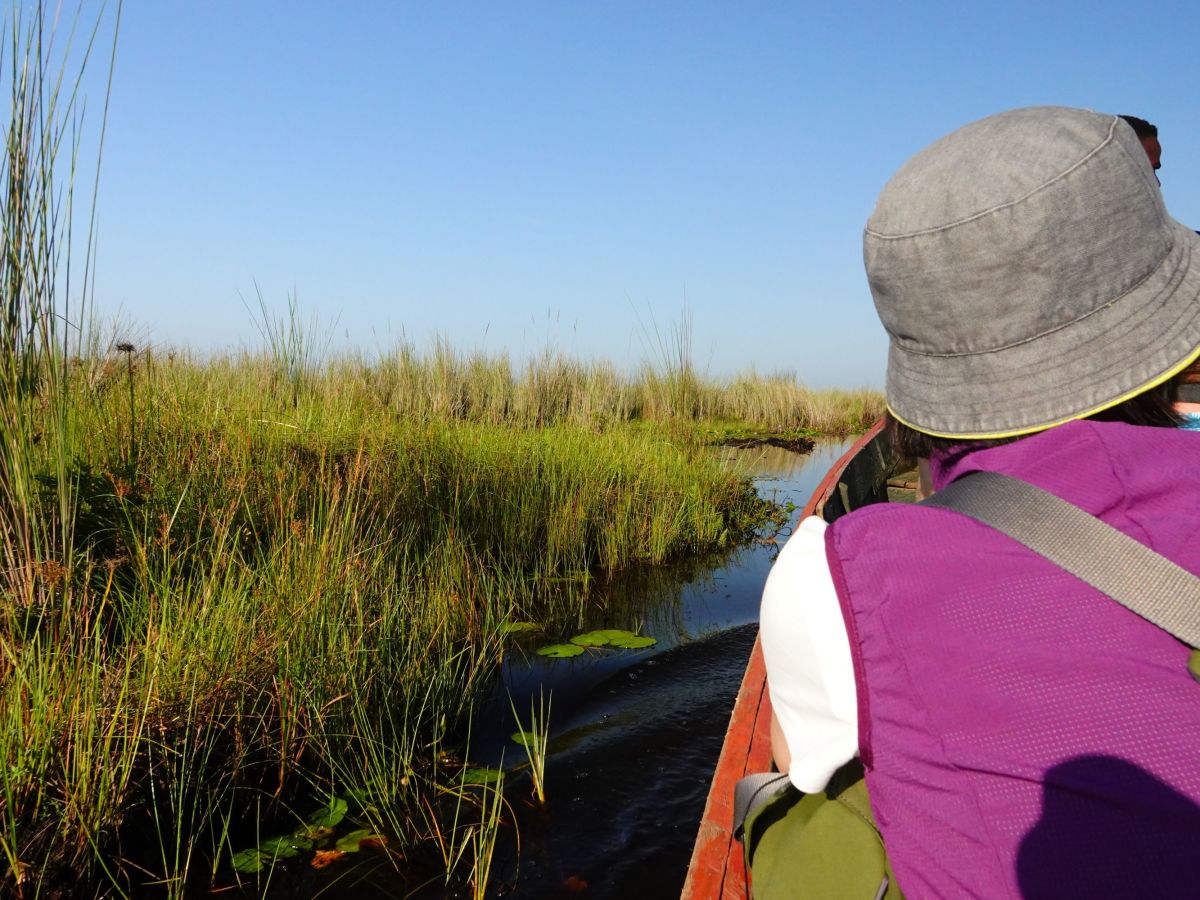
This half-day birding excursion explores the Mabamba Wetlands on the shores of Lake Victoria, one of Uganda’s most important bird habitats and the country’s most reliable place to see the elusive shoebill. Departing from Entebbe, the journey begins with a short drive to the lakeshore, followed by a motorized canoe ride into a maze of papyrus channels guided by an experienced local birding guide.
As you glide quietly through the wetlands, watch for shoebill, African jacana, malachite kingfisher, blue-breasted bee-eater, papyrus gonolek, sitatunga tracks along the reeds, and a wide variety of herons, egrets, and waterfowl. The slow pace and close proximity to the birds make this an intimate and rewarding experience for both serious birders and first-time visitors.
The trip typically returns to Entebbe by late morning or early afternoon/ Calm waters, rich birdlife, and knowledgeable guiding combine to create one of the most memorable and accessible nature experiences near Entebbe.
Daily Summary
Day 3
Fly to Murchison Falls, Afternoon Lower Falls Boating
Transfer by Light Aircraft Flight
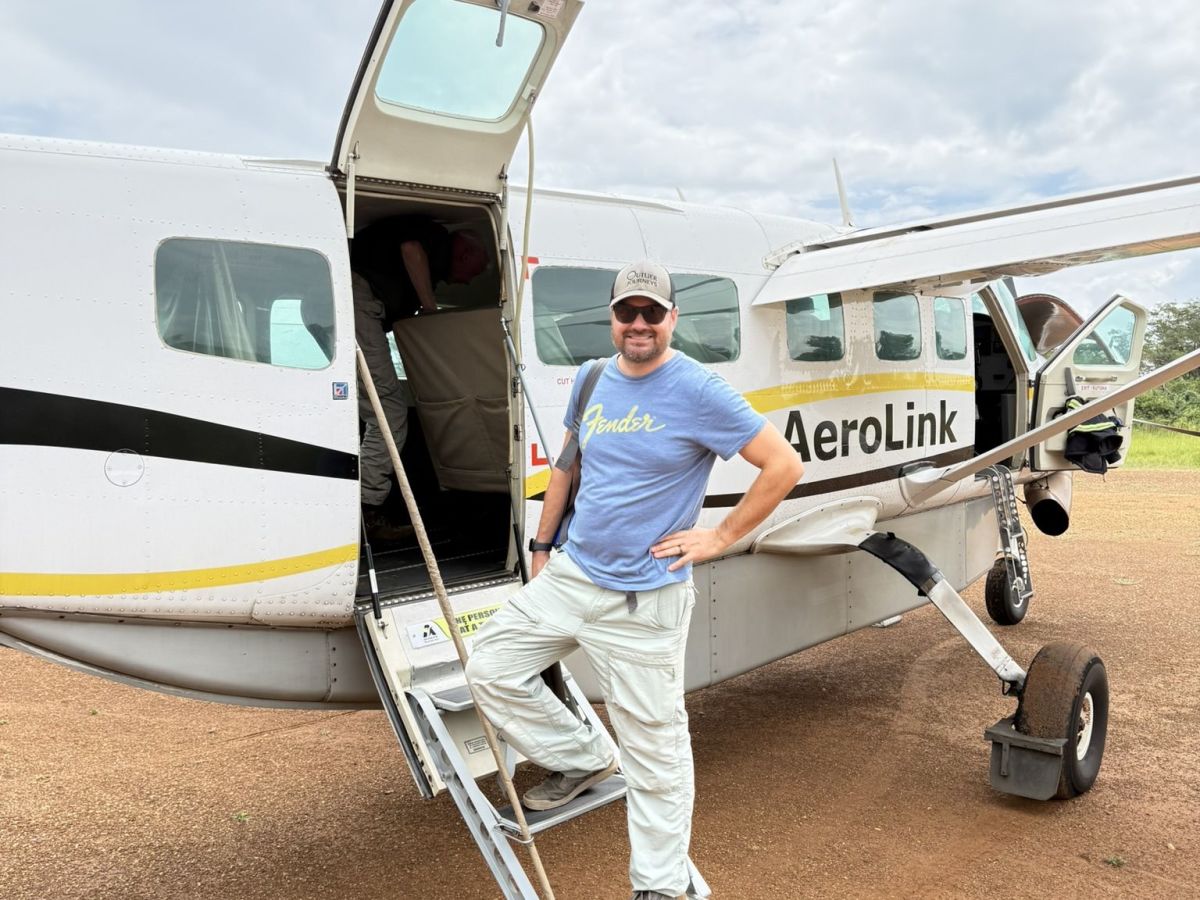
The day begins with an early transfer to Entebbe International Airport for a scheduled Aerolink flight north to Murchison Falls National Park. The scenic flight offers sweeping views over Uganda’s changing landscapes before touching down at Bugungu Airstrip, where you are met by your guide and transferred into the park.
Please Note: There is a 15kg (33lb) weight limit (inclusive of handbag, camera, etc.). Soft-sided luggage (wheels are okay but no rigid frames) must be used for all light aircraft flights as baggage compartments may be cramped depending on the aircraft utilized on your day of departure. Additional weight will incur extra charges, please consult with your travel professional.
Murchison Falls - Lower Falls Boating
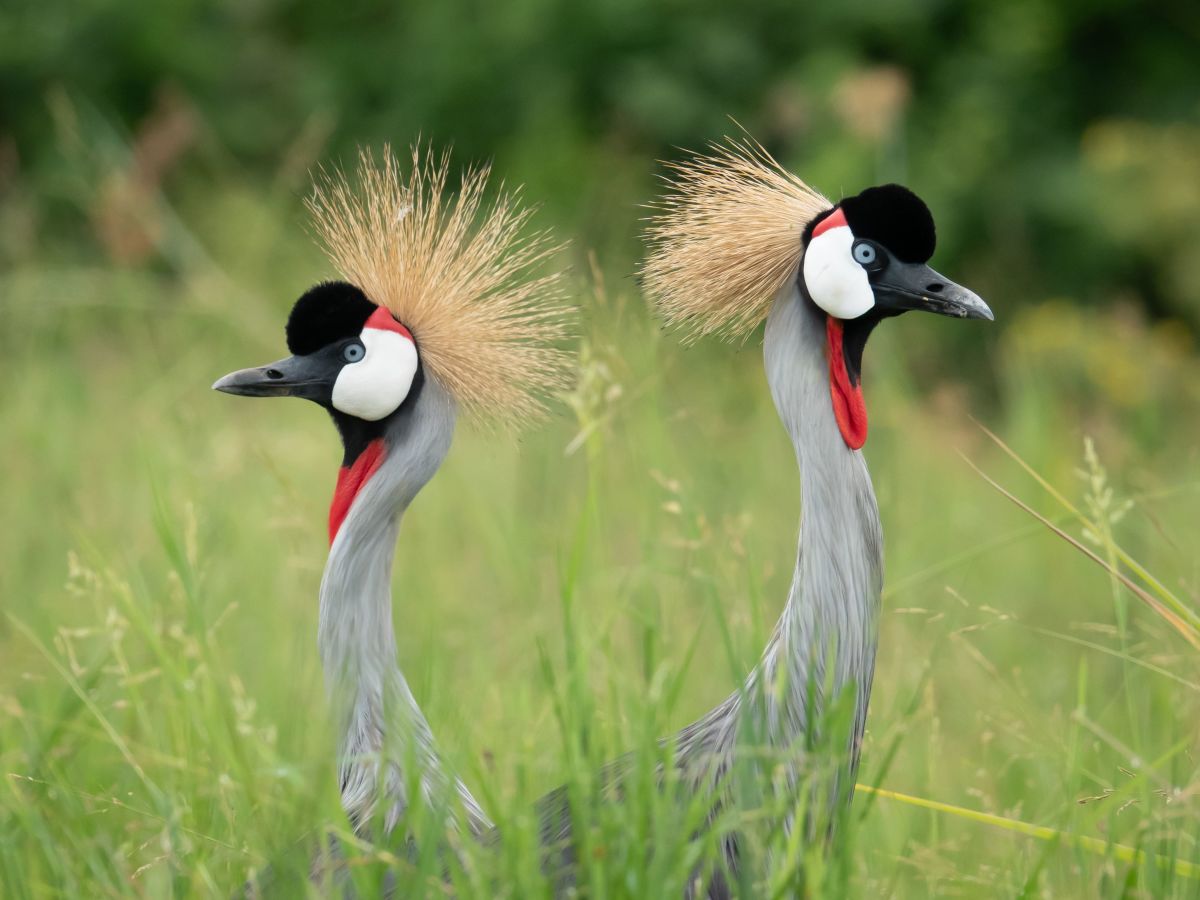
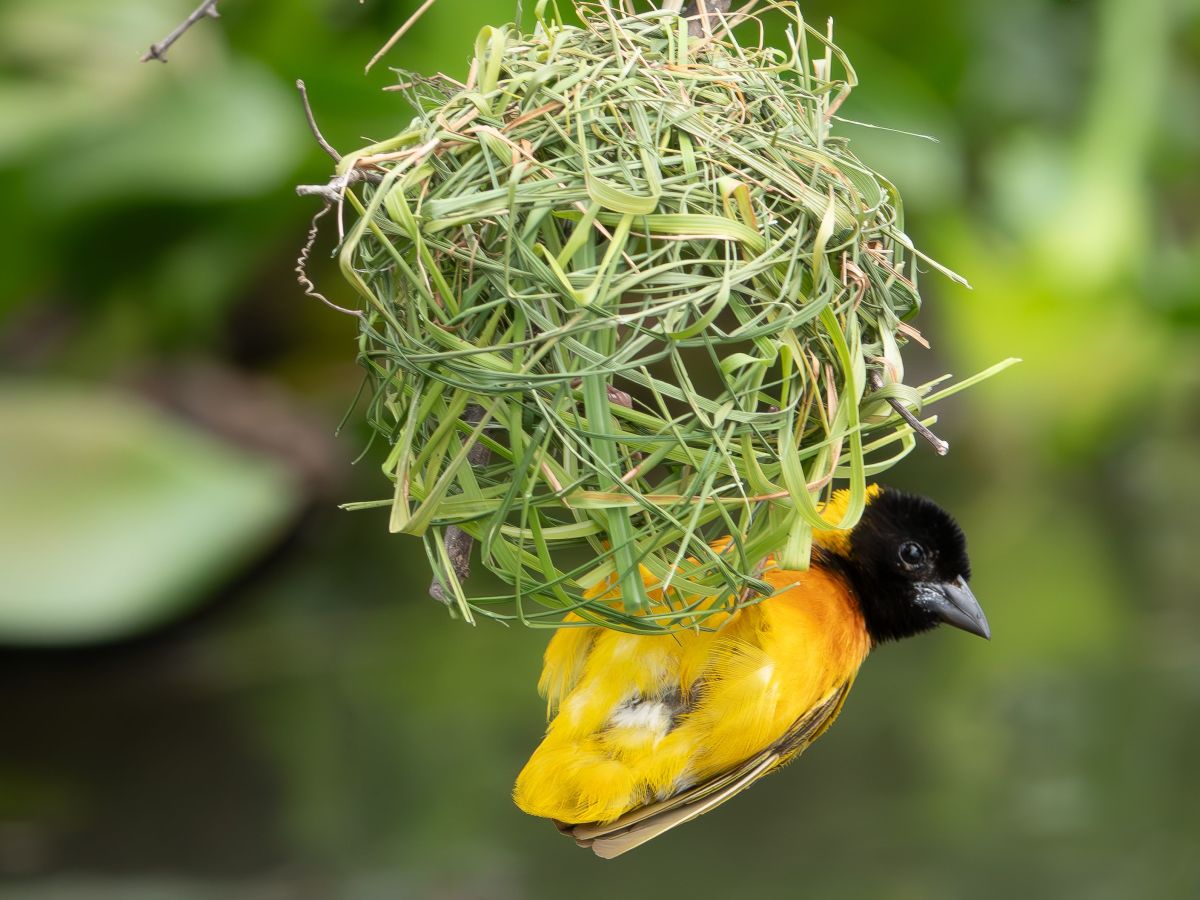
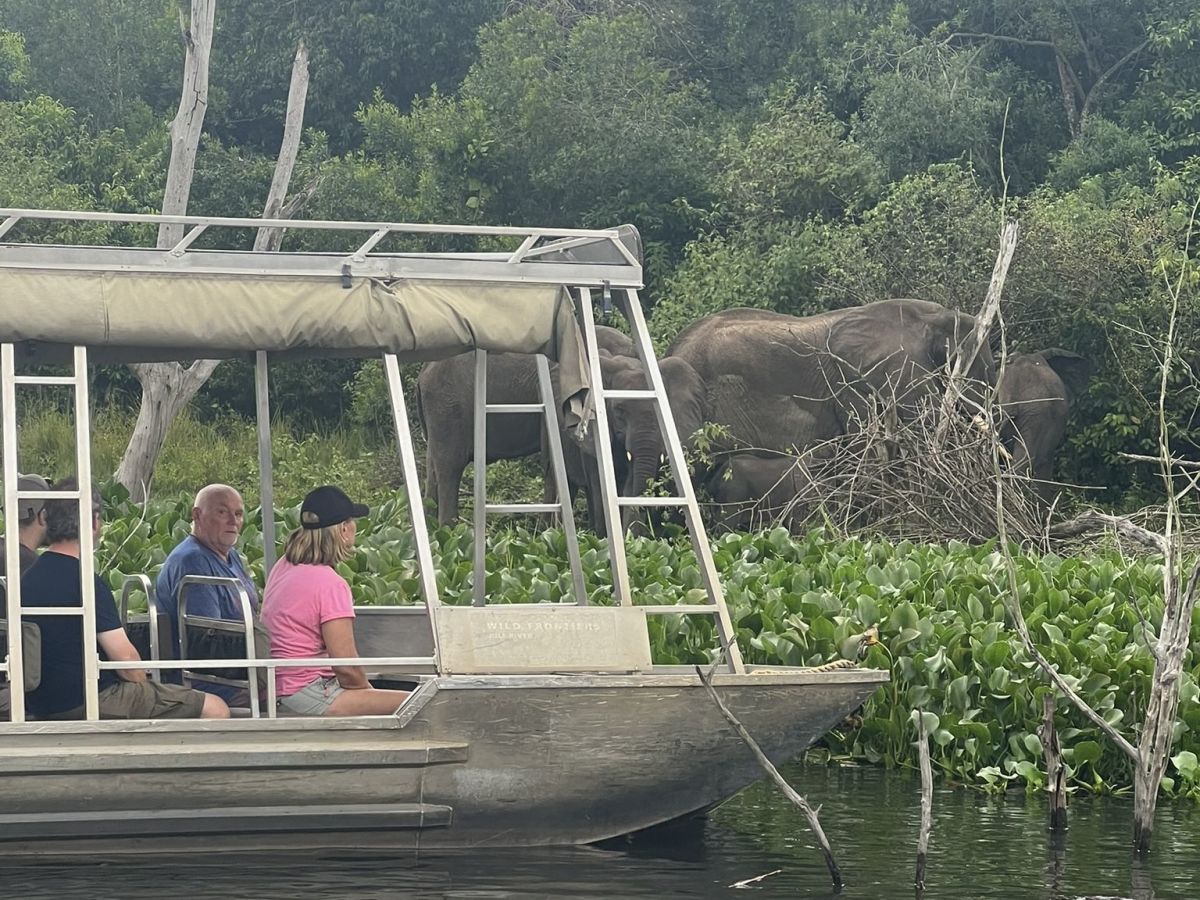
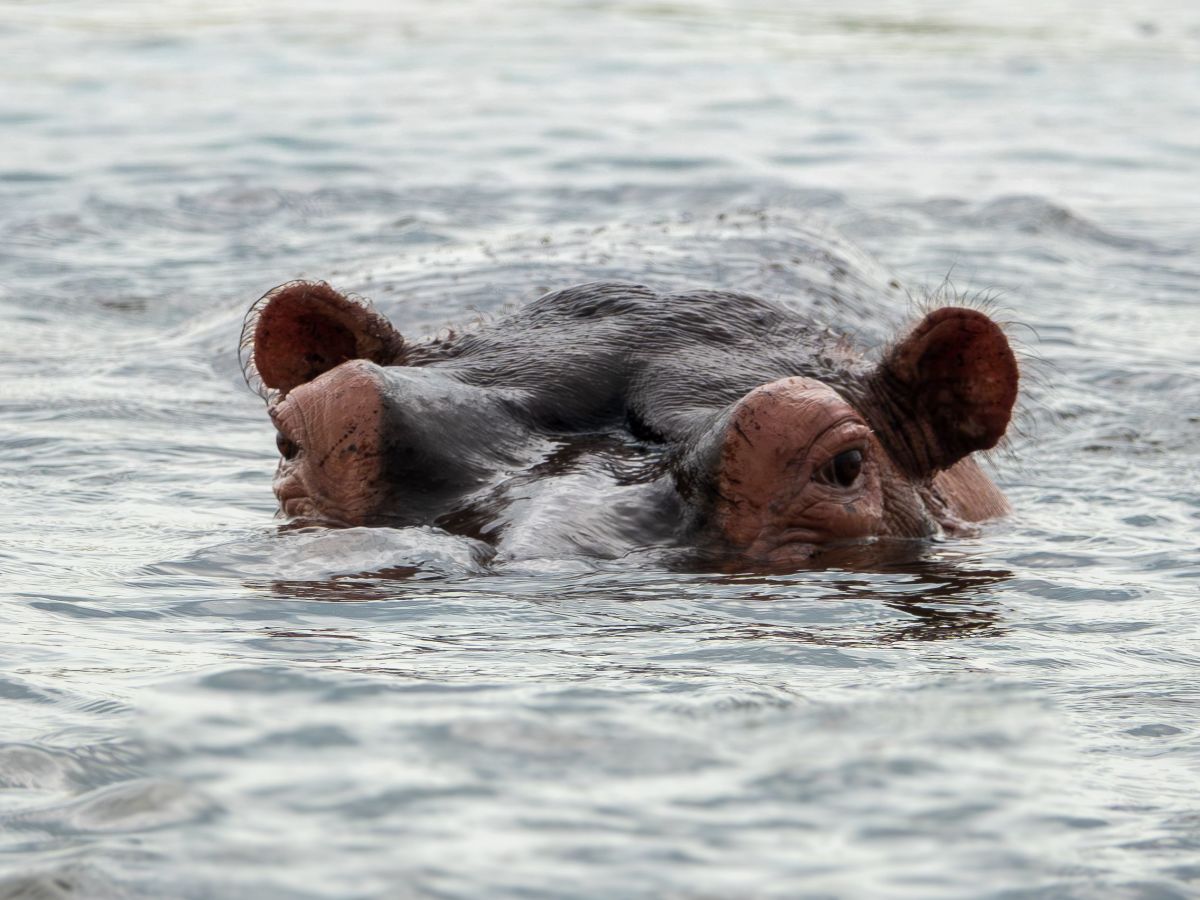
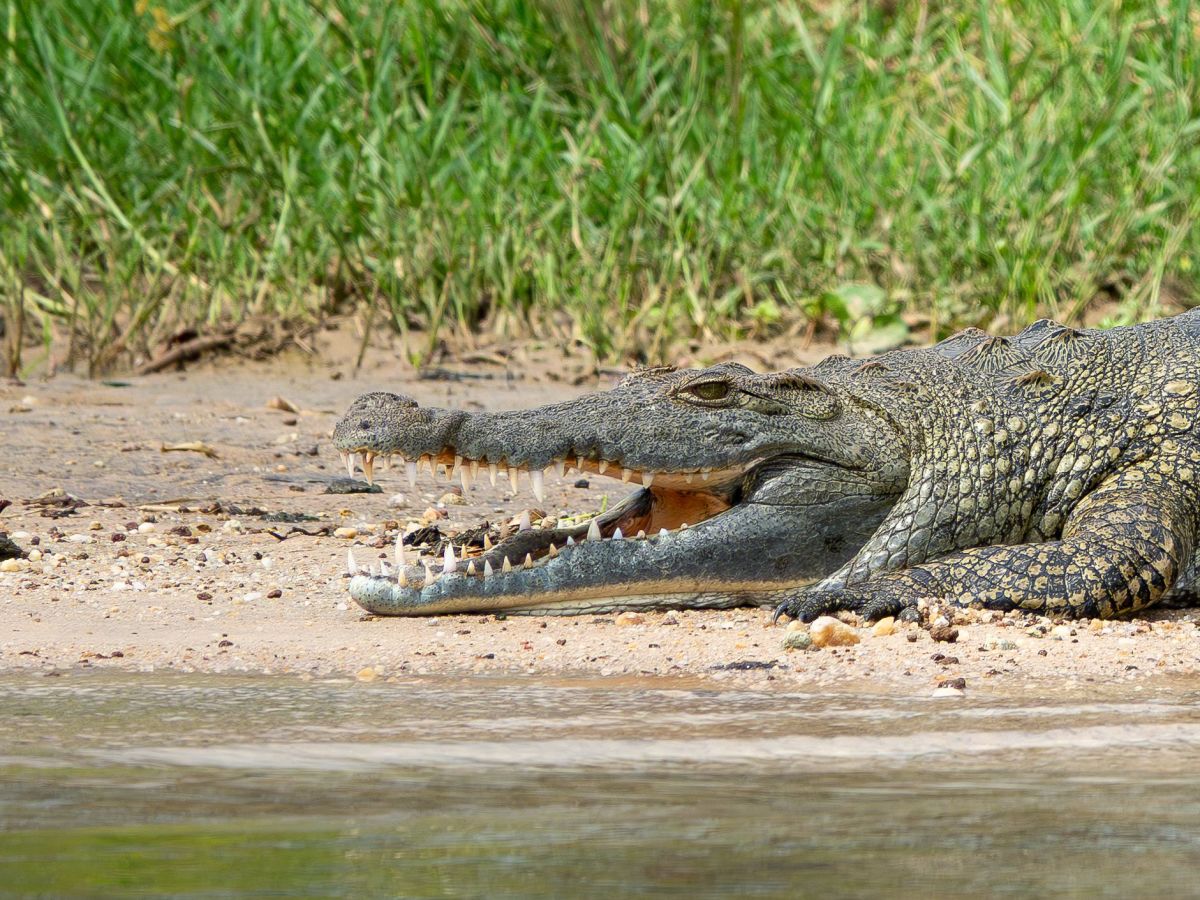
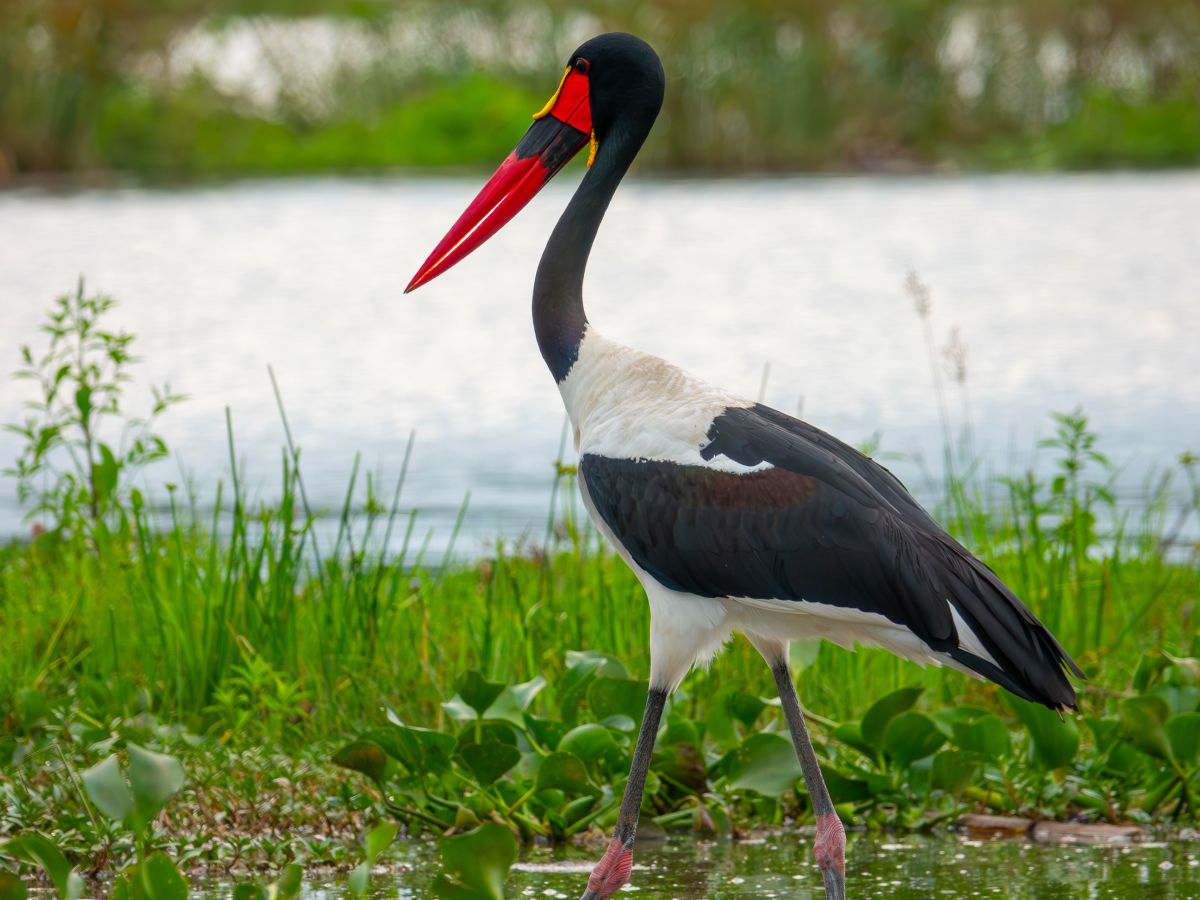
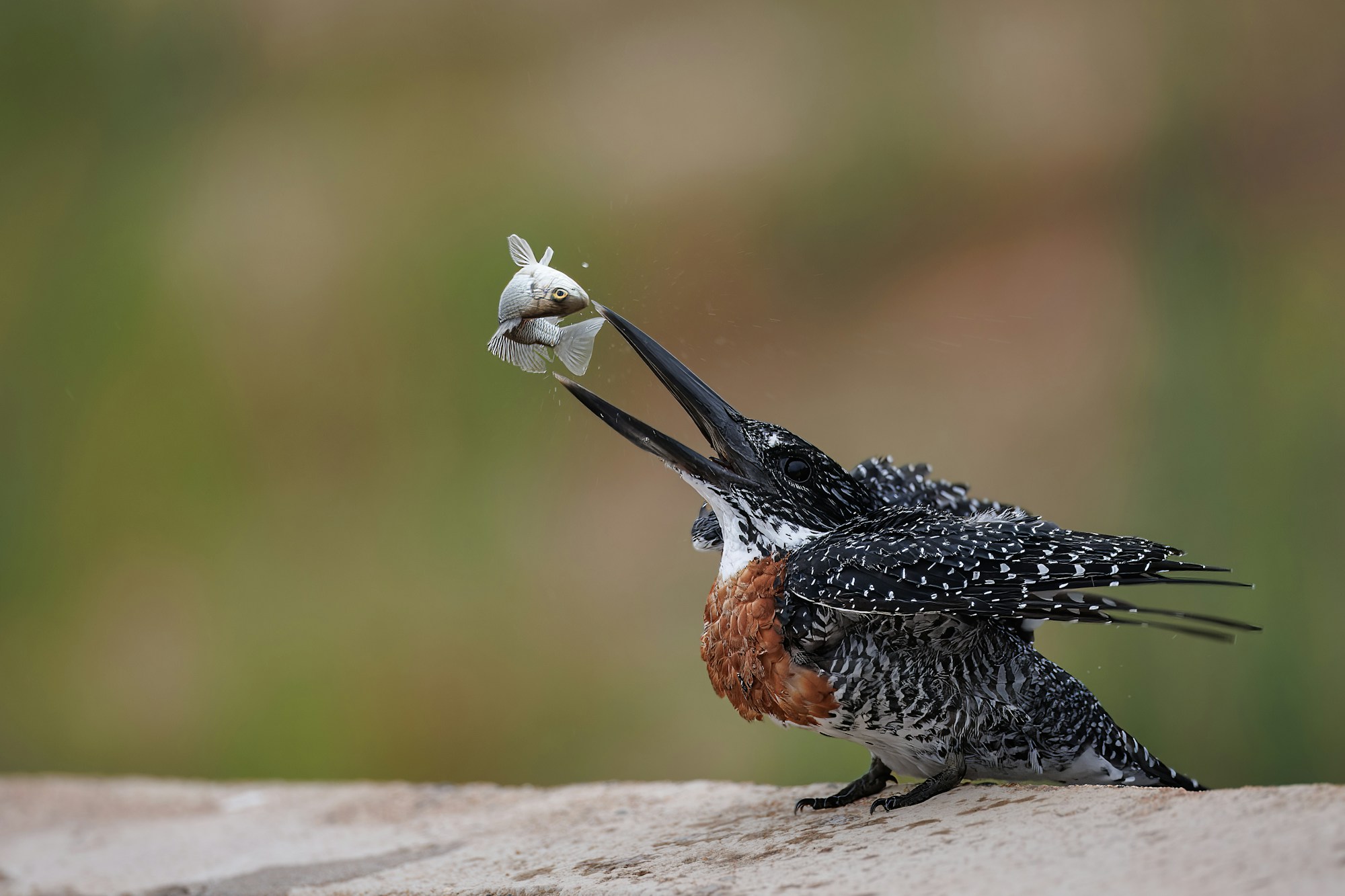
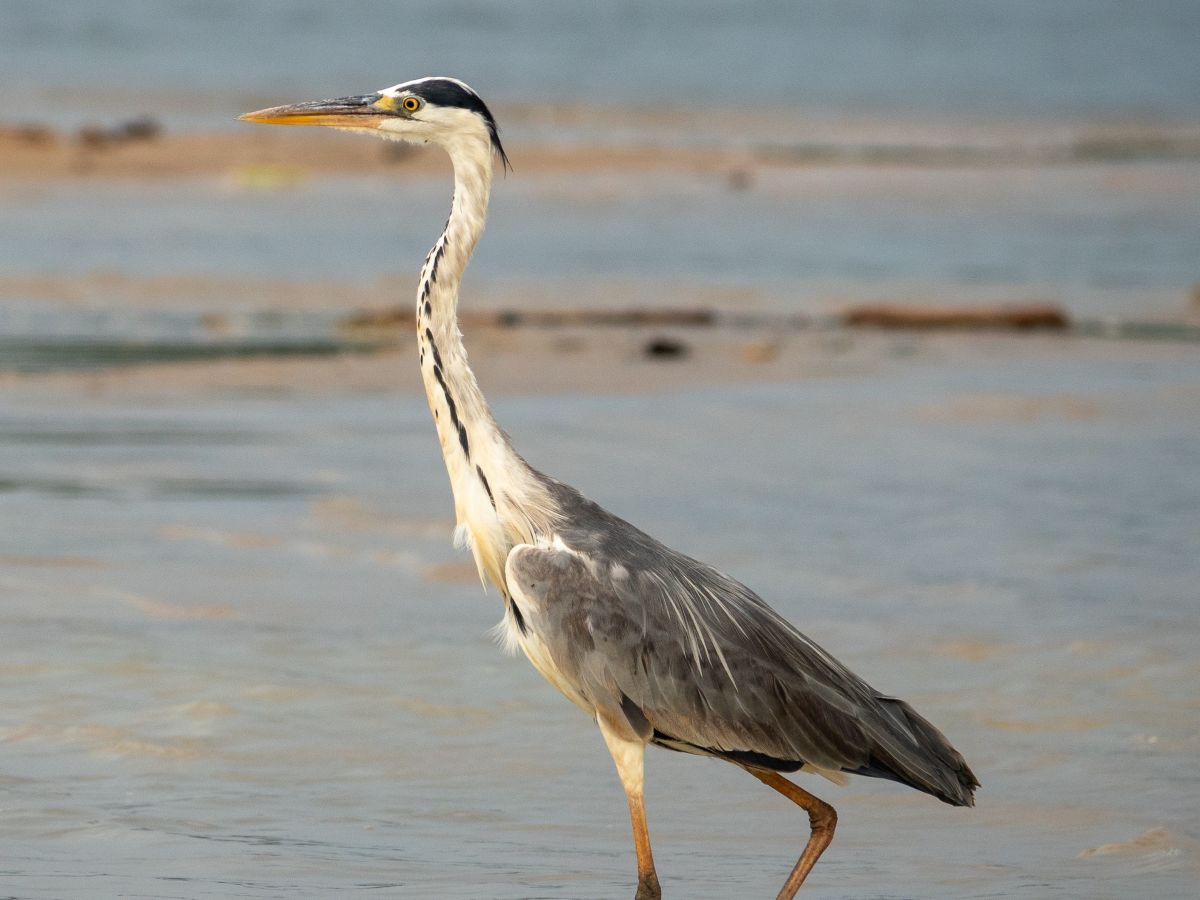
After lunch and time to settle in, the afternoon is dedicated to one of Murchison Falls’ most iconic experiences: a wildlife boat safari on the Nile River. Cruising upstream along the riverbanks, you will encounter large pods of hippo, Nile crocodiles basking in the sun, and a steady procession of elephants, buffalo, and antelope coming to drink. Birdlife is prolific along this stretch of the river, with sightings often including vibrant carmine bee-eaters hawking insects from the riverbanks, African jacana stepping lightly across floating vegetation, African fish eagle, goliath heron, saddle-billed stork, pied kingfisher, and a variety of egrets and herons.
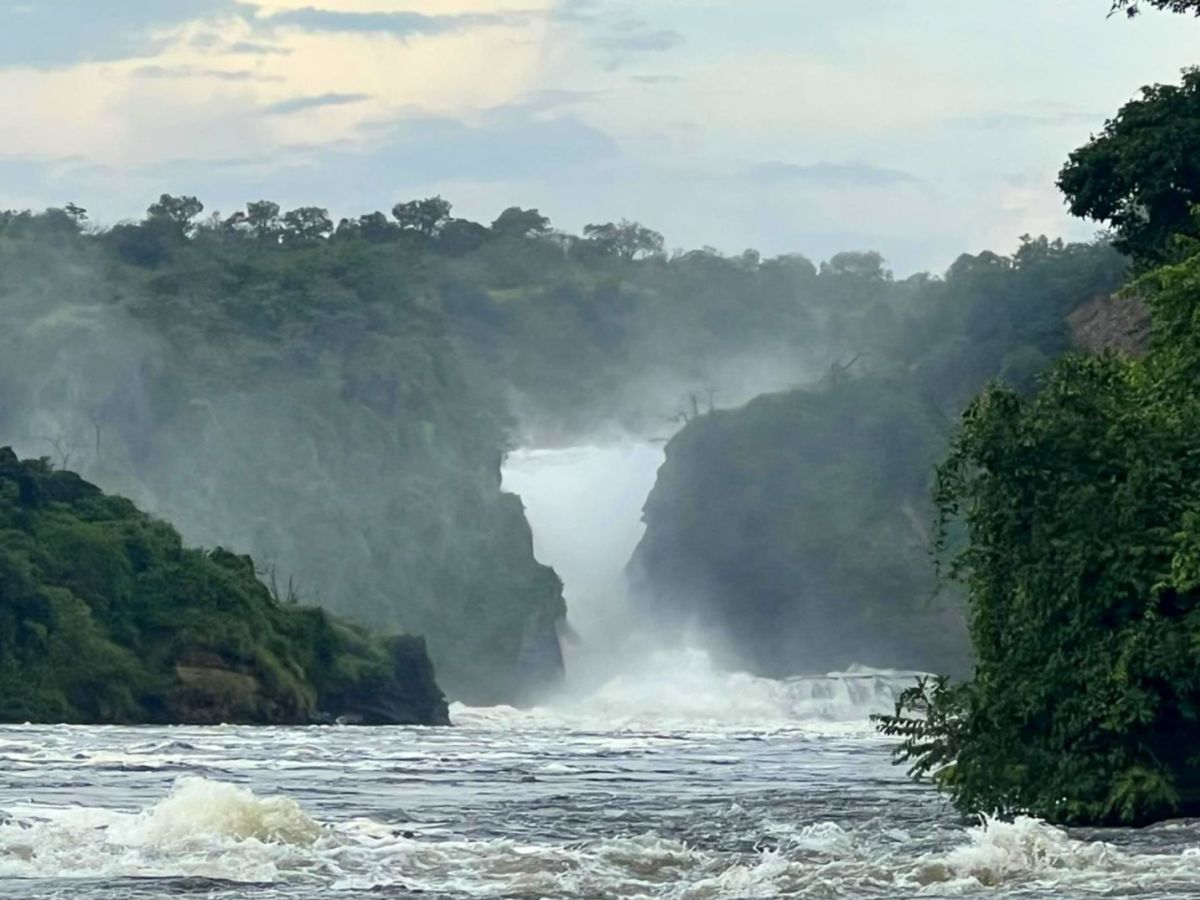
The journey culminates at the base of the thundering Murchison Falls, where the Nile is forced through a narrow rocky gorge before plunging downstream in a dramatic display of power and sound. As the boat turns back, the late afternoon light casts a warm glow across the water and cliffs, bringing the day to a memorable close in one of Uganda’s most dramatic national parks.
Daily Summary

Day 4
Murchison Falls Safari / Optional Top of The Falls Tour in the Afternoon
Morning Safari - Murchison Falls National Park
Departing early from Nile Safari Lodge, this full morning game drive explores the northern sector of Murchison Falls National Park as the landscape comes alive with activity. The cool morning hours are ideal for wildlife viewing, with open savannah, borassus palms, and acacia woodland providing classic East African scenery.
Murchison Falls National Park is Uganda’s oldest and largest protected area, first gazetted as a game reserve in the 1920s before becoming a national park in 1952. The park takes its name from the dramatic Murchison Falls, named in the 19th century warning and exploration era after Sir Roderick Murchison, then president of the Royal Geographical Society. Early explorers, including Samuel Baker, were among the first Europeans to document the falls and the surrounding Nile corridor, which has long served as a lifeline for wildlife and human communities alike.
Accompanied by an experienced guide, you may encounter elephant herds moving between feeding areas, large numbers of buffalo, Rothschild’s giraffe browsing among the trees, and antelope such as hartebeest, waterbuck, and Uganda kob. Lions are often seen resting after the night’s hunt, and there is also the chance of spotting leopard in the early light.
Birdlife is abundant throughout the drive, with sightings that can include Abyssinian ground hornbill, secretary bird, martial eagle, and a variety of rollers, bee-eaters, and bustards. Scenic stops allow time to take in views over the Nile and the vast plains before returning to the lodge by late morning.
The safari concludes back at Nile Safari Lodge in time for brunch and a relaxed afternoon.
Top of The Falls - Optional Tour
This optional afternoon excursion offers a closer look at one of Uganda’s most dramatic natural landmarks. Departing from Nile Safari Lodge after lunch, the drive to the Top of the Falls takes approximately 1.5 hours each way.
The falls were first documented by European explorers in the mid-19th century, most notably Sir Samuel Baker, who reached the area in 1864 while searching for the source of the Nile. Baker named the falls after Sir Roderick Murchison, then president of the Royal Geographical Society, recognizing his support of African exploration. These journeys helped place the Nile and its dramatic cataracts firmly on the world map during a formative period of exploration in East Africa.
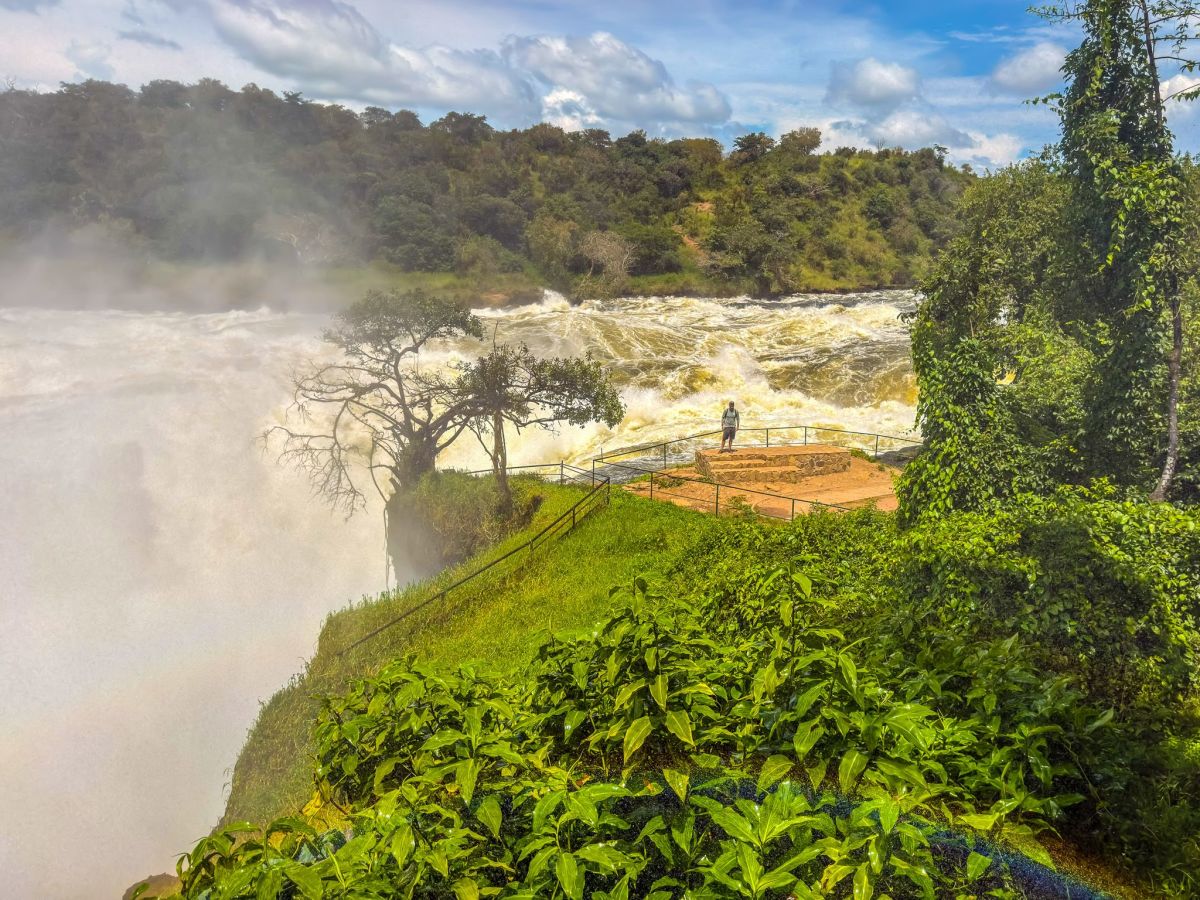
On arrival, a short guided walk leads to viewpoints above the falls, where the full force of the Nile can be felt as it surges through a narrow rocky gorge barely seven meters wide before plunging downstream. The thunderous roar, rising mist, and sweeping views over the river and surrounding landscape create a visceral sense of the power that so captivated early explorers.
Time is allowed to visit several vantage points and to reflect on the geological and historical significance of the falls before returning by road to Nile Safari Lodge in the early evening, arriving in time for a brief wash up before dinner.
Daily Summary


Day 5
Fly to Queen Elizabeth National Park and Kyambura Wildlife Preserve
Transfer by Light Aircraft Flight
Get ready for a birds eye view of the bush today! Transfer to the airfield for your flight today to Kasese airfield. Typically, bush flights are conducted in 12-seater Cessna Caravans, however depending on number of passengers scheduled for your time of departure, a smaller aircraft may be used.
Please Note: There is a 15kg (33lb) weight limit (inclusive of handbag, camera, etc.). Soft-sided luggage (wheels are okay but no rigid frames) must be used for all light aircraft flights as baggage compartments are cramped. Additional weight may incur extra charges, please consult with your travel professional.
Afternoon Kazinga Channel Wildlife Boat Excursion
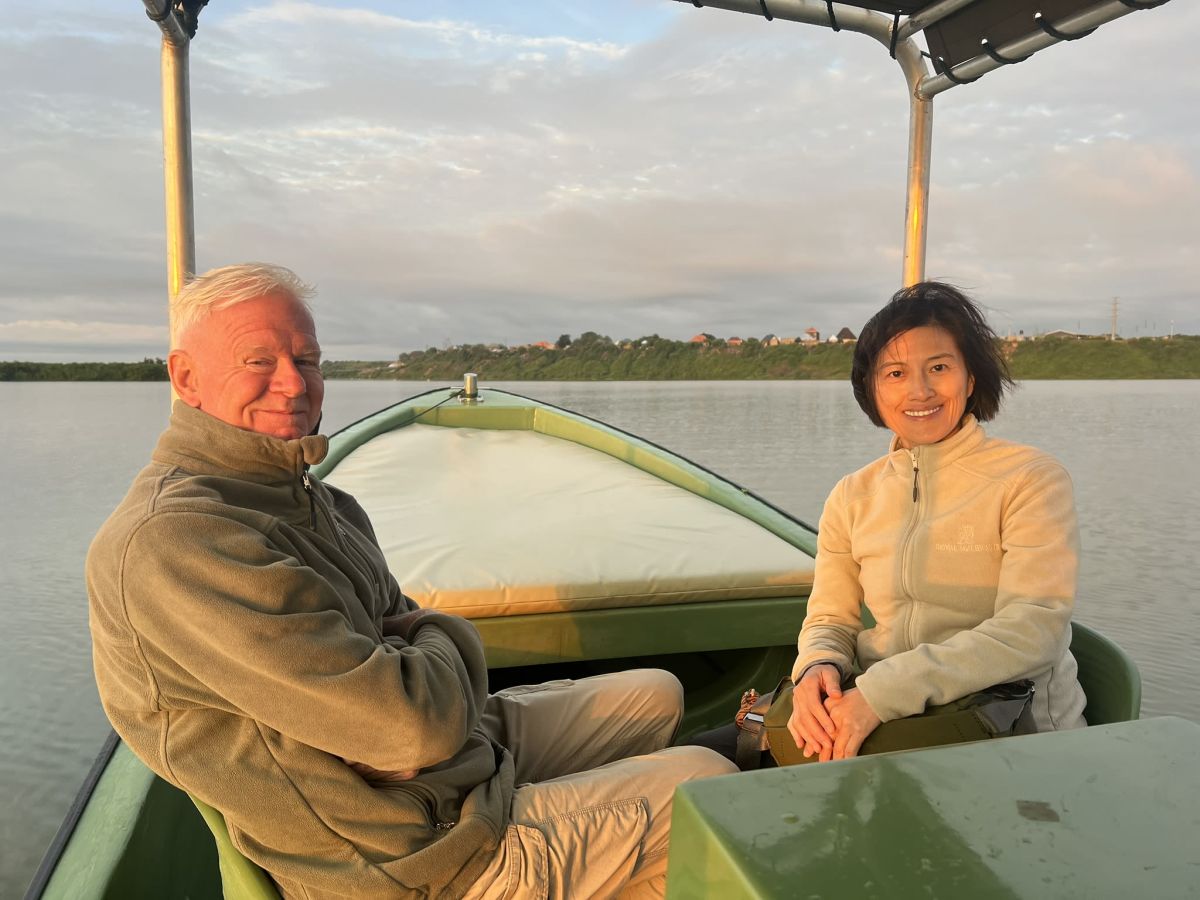
This afternoon boating excursion departs directly from either Honey Bear or The River Station, placing you immediately on the waters of the Kazinga Channel at the most active time of day. As the afternoon light softens, wildlife gathers along the channel’s banks to drink and cool off, creating exceptional viewing opportunities from the water.
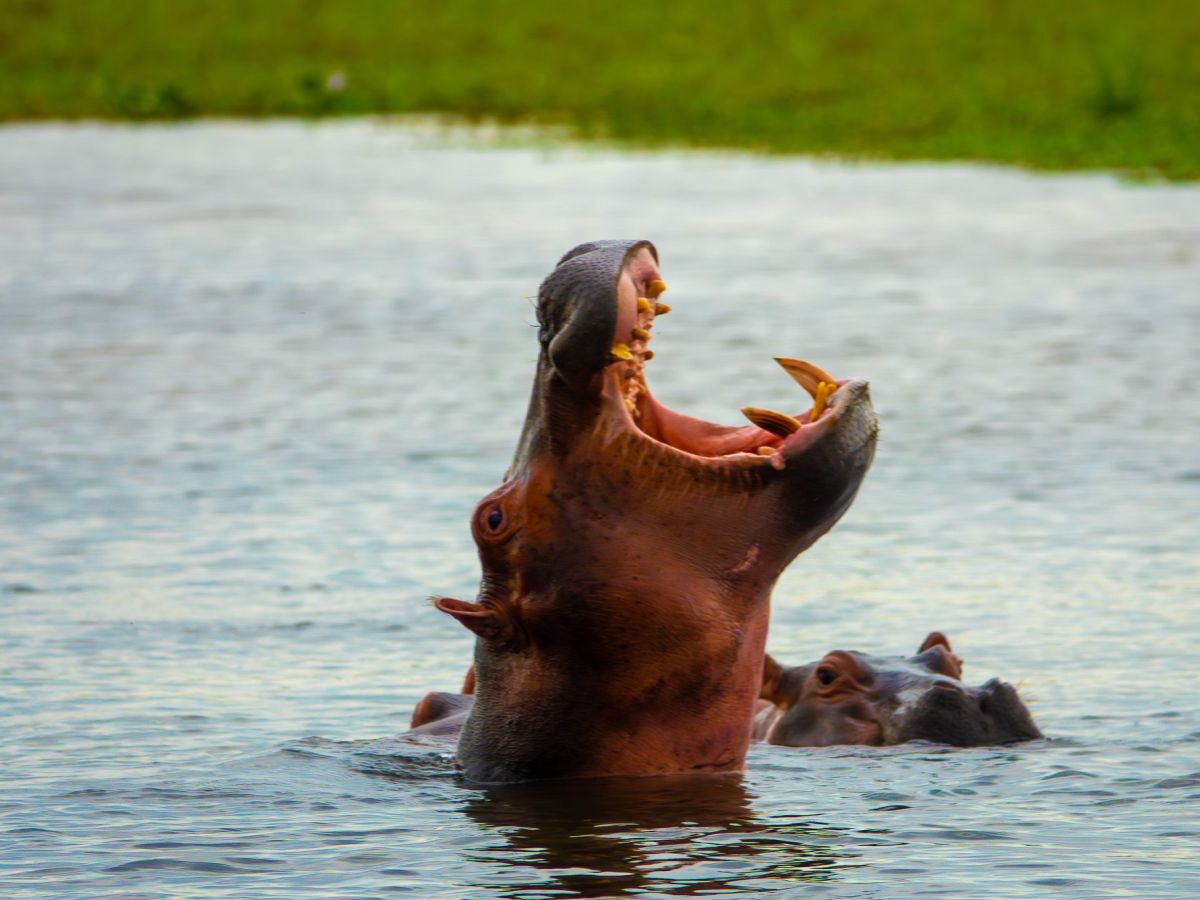
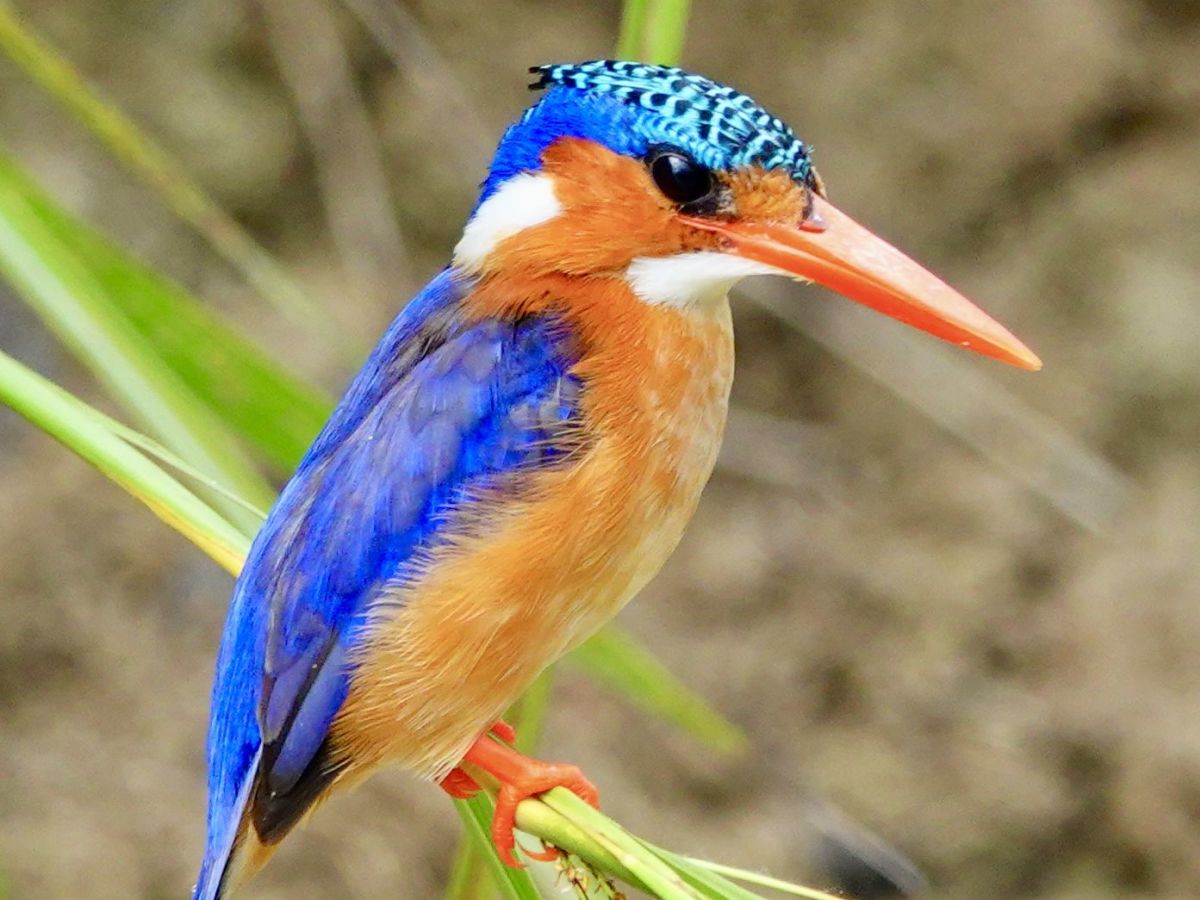
Cruising at an unhurried pace, you are likely to encounter large pods of hippo, Nile crocodiles resting along the shore, and frequent sightings of elephant and buffalo approaching the water’s edge. The channel is equally renowned for its birdlife, with possibilities including African skimmer, saddle-billed stork, African fish eagle, pied and malachite kingfisher, pelicans, cormorants, and a wide variety of herons and egrets. The calm proximity of a boat allows for close observation and photography without disturbing the animals.
The journey offers a peaceful perspective on Queen Elizabeth National Park, with wide water views framed by savannah and distant rift valley escarpments. As the sun lowers, the changing light and reflections on the channel create a serene atmosphere before returning to your lodge by boat in the late afternoon, rounding out a relaxed yet wildlife-rich experience on one of Uganda’s most iconic waterways.
Daily Summary
Day 6
Lion Tracking and Chimpanzee Trekking
Morning Wildlife Tracking Experience in Queen Elizabeth National Park
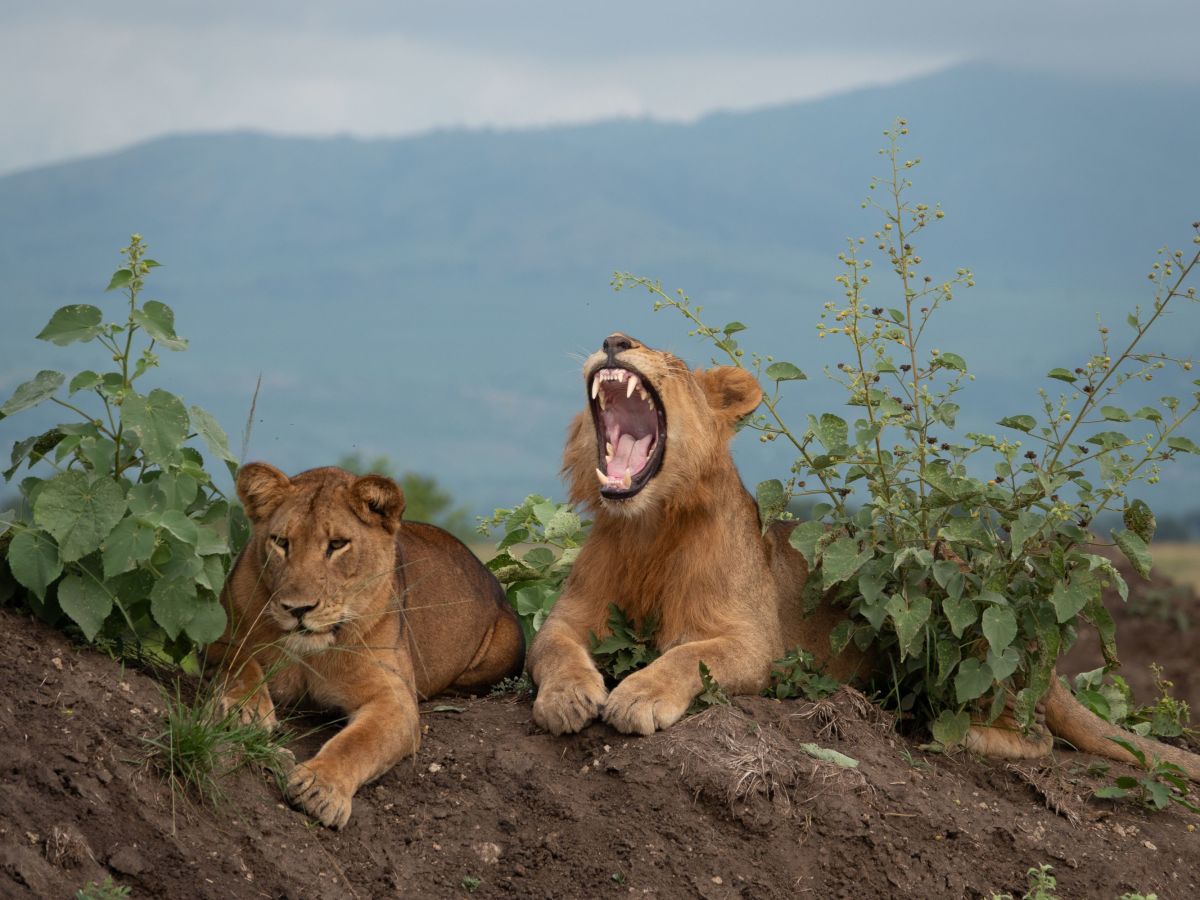
This early-morning wildlife tracking safari offers a deeper, more hands-on way to explore Queen Elizabeth National Park, departing from either Honey Bear or The River Station while the park is at its most active. Accompanied by an expert wildlife tracker, the focus of the morning is on locating and understanding the movements of some of the park’s most elusive predators.
Queen Elizabeth National Park is one of Uganda’s most important and historically significant protected areas. Established in 1952 and originally named Kazinga National Park, it was later renamed to commemorate a visit by Queen Elizabeth II in 1954. Stretching between Lakes George and Edward along the western branch of the East African Rift Valley, the park protects a remarkable diversity of habitats, from savannah and wetlands to forested gorges, making it a cornerstone of Uganda’s conservation network.
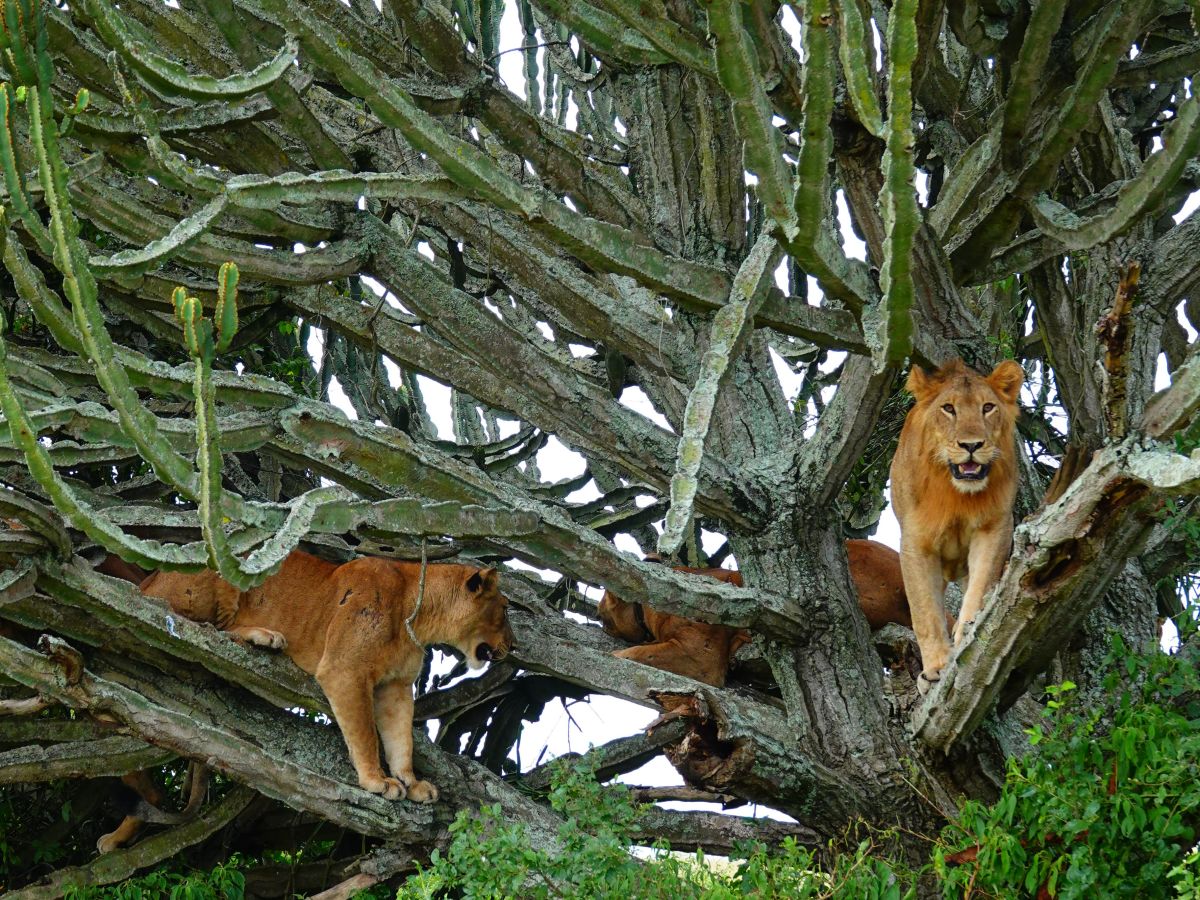
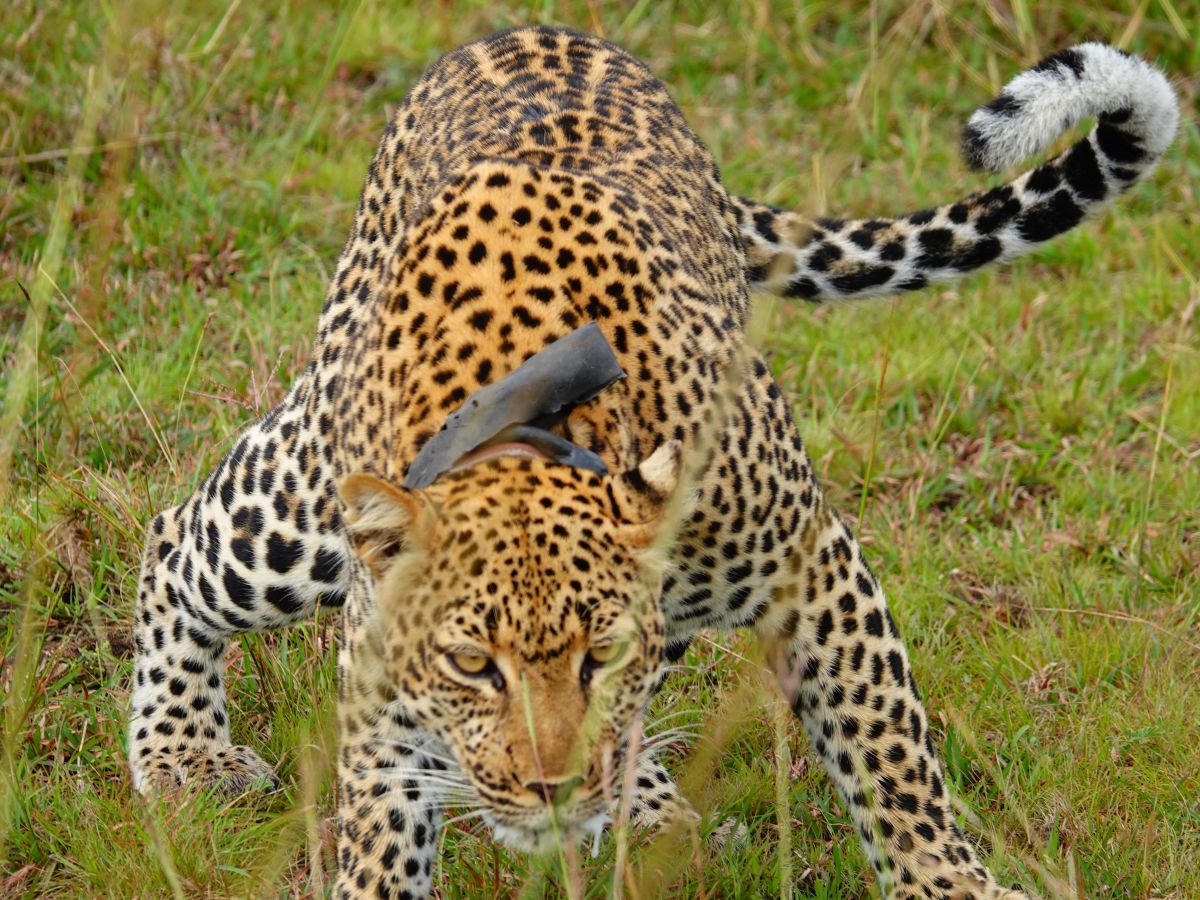
Using specialized radio telemetry equipment, the tracker is able to pick up signals from collared lions and leopards that are part of ongoing conservation and research programs. As signals are detected, your vehicle may leave the main tracks and drive off-road, allowing for closer and more intimate sightings while maintaining strict park and conservation guidelines. This approach greatly increases the chances of encountering big cats and provides insight into how researchers monitor and protect these species.
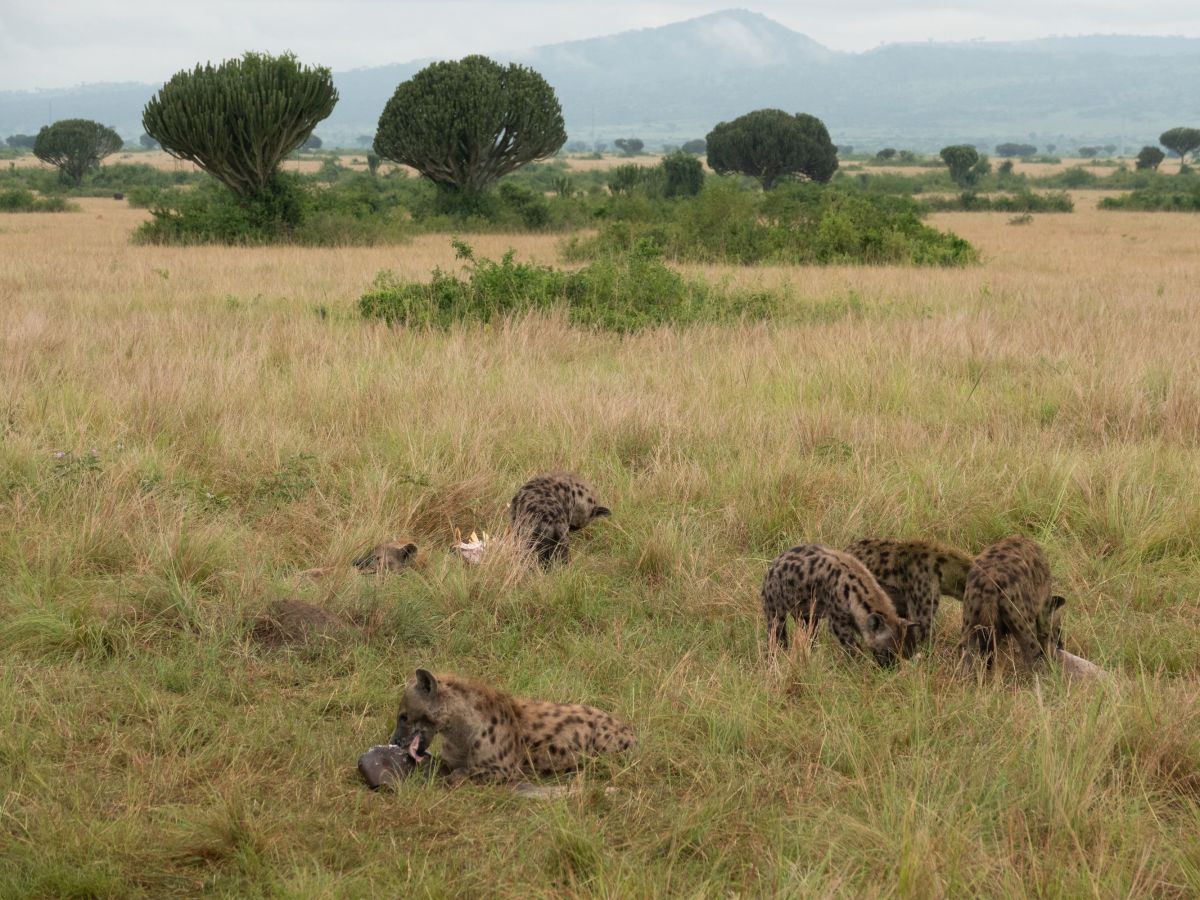
Beyond the predators, the drive also reveals the broader ecosystem of the park, with opportunities to see buffalo, elephant, Uganda kob, and a wide variety of birdlife in the cool morning light. Throughout the experience, the tracker and guide share context on animal behavior, territory, and the role of tracking in long-term conservation.
Afternoon Chimpanzee Trekking in Kyambura Gorge
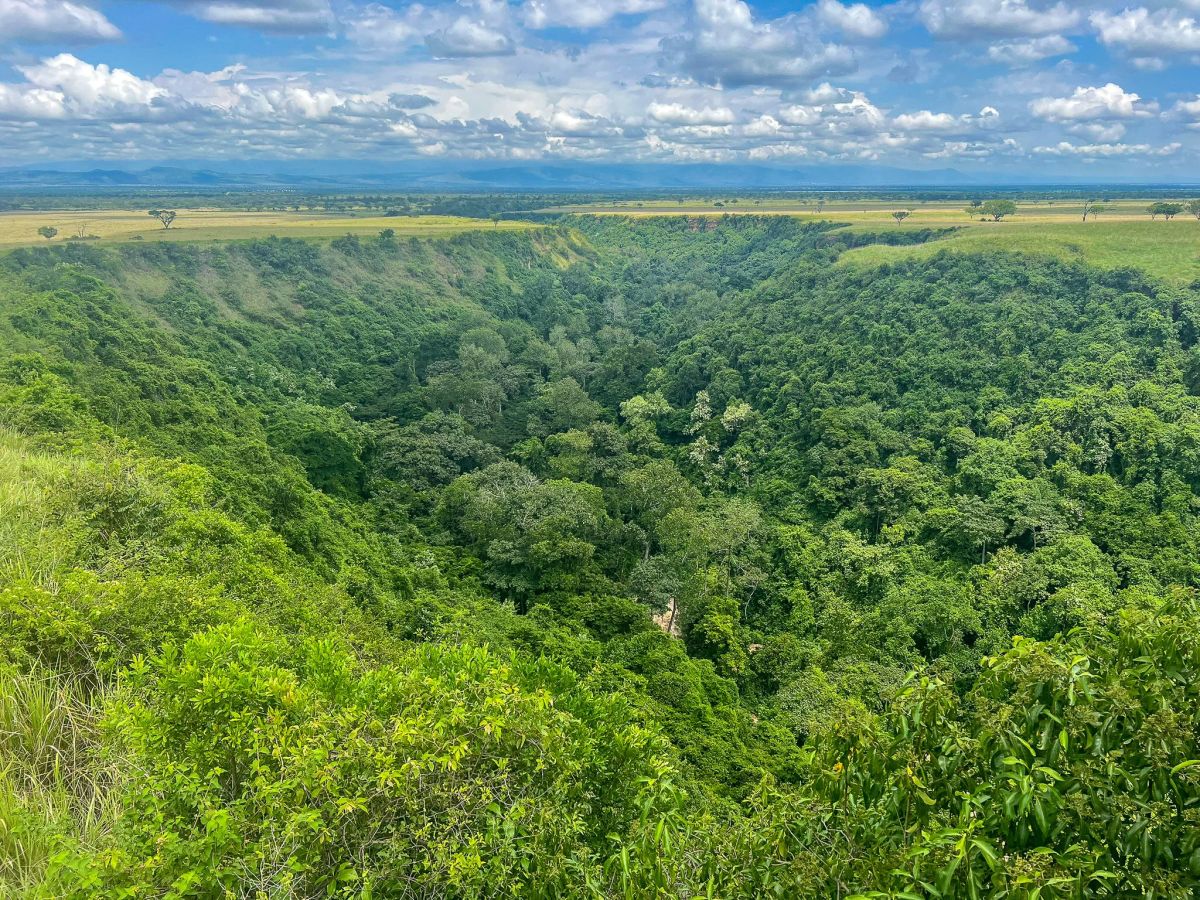
This afternoon excursion explores the lush Kyambura Gorge, one of Queen Elizabeth National Park’s most surprising and atmospheric landscapes. Often referred to as the “Valley of Apes,” the gorge cuts dramatically through the surrounding open savannah, creating a narrow ribbon of dense tropical forest that supports a small but fascinating population of chimpanzees.
The gorge is part of the greater Rift Valley ecosystem and was shaped over thousands of years by the Kyambura River, which flows from the Rwenzori foothills toward the Kazinga Channel. This isolated forest corridor acts as a natural refuge for primates and birdlife and plays an important role in regional conservation research, particularly in understanding how chimpanzees survive in fragmented habitats.
The trek begins with a steep descent into the gorge, followed by hiking through forest trails that can be uneven, muddy, and occasionally slippery, especially after rain. A reasonable level of fitness is recommended. The terrain includes river crossings, thick vegetation, and shaded forest, offering a cool contrast to the open plains above.
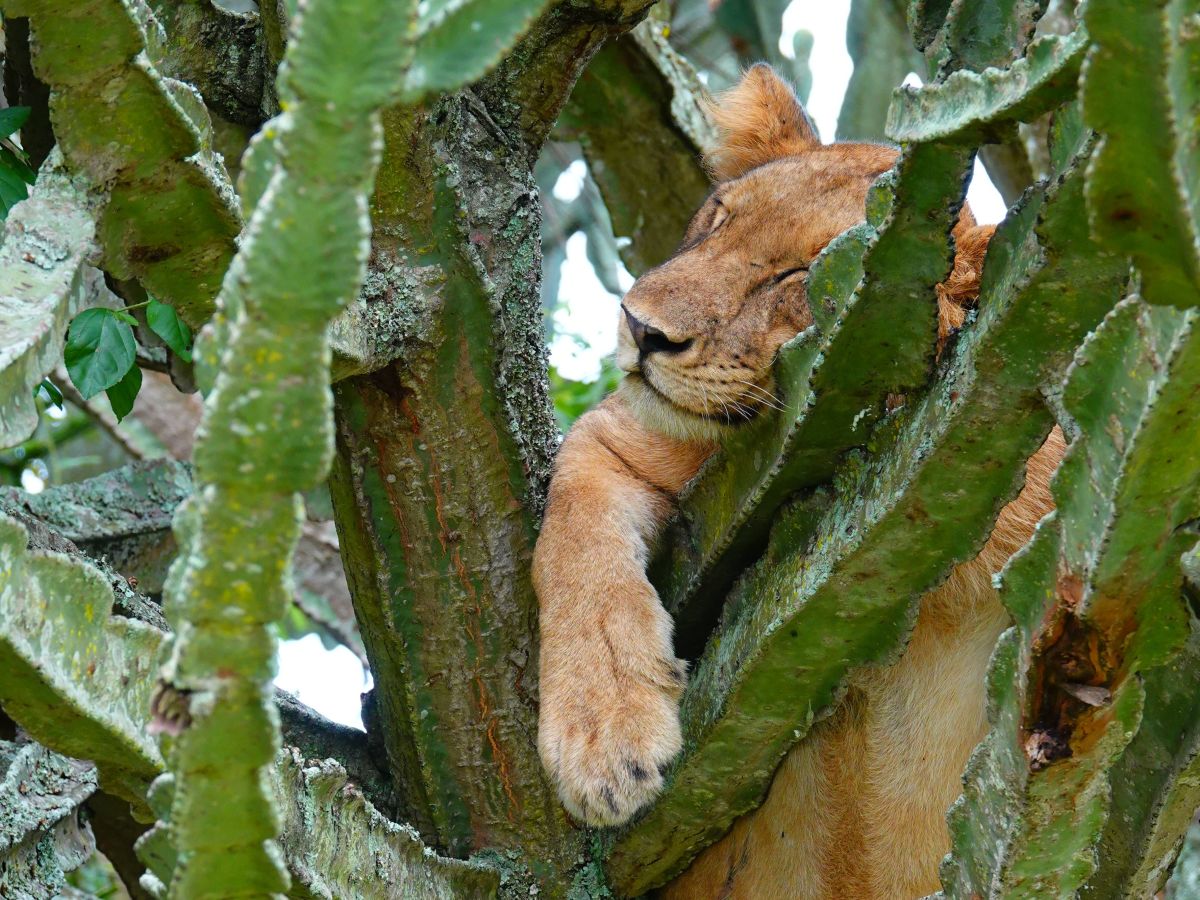
Kyambura is home to one habituated chimpanzee community, monitored by Uganda Wildlife Authority trackers. Once the chimps are located, guests are allowed up to one hour in their presence, observing social behavior, feeding, and movement through the forest canopy. In addition to chimpanzees, the gorge supports black-and-white colobus monkeys, red-tailed monkeys, olive baboons, and a rich variety of forest birds.
The total duration of the experience is typically 2.5 to 4 hours, depending on chimpanzee movements and trail conditions. After the trek, guests return by vehicle to the boat launch on the Kazinga Channel and continue back to Honey Bear or The River Station, arriving in the early evening for some rest and relaxation after the full day of activities.
Daily Summary



Day 7
Kazinga Channel Boating and Game Drive in the Kyambura Wildlife Preserve
Optional Morning Kazinga Channel Wildlife Boat Excursion
Choose a relaxed morning at camp or set out on a morning boating excursion on the Kazinga Channel, when cooler temperatures and calm waters make for excellent wildlife viewing. In the early hours, animals are active along the channel’s banks as they come to drink and forage, and the soft morning light adds clarity and color to the landscape.
Afternoon Game Drive in the Kyambura Wildlife Reserve and Crater Lakes
Depart straight from camp this afternoon for a game drive exploring the Kyambura Wildlife Preserve, a private corner of the greater Queen Elizabeth ecosystem known for its quiet atmosphere and strong birdlife. The preserve’s landscape is a mosaic of open grassland, acacia woodland, and areas increasingly dominated by sickle bush, an invasive shrub that has expanded in recent years. While ongoing management efforts are underway to control it, the dense thickets do shape the terrain, creating more enclosed corridors and pockets of habitat that can limit long-range visibility but offer excellent cover for birds and smaller wildlife.
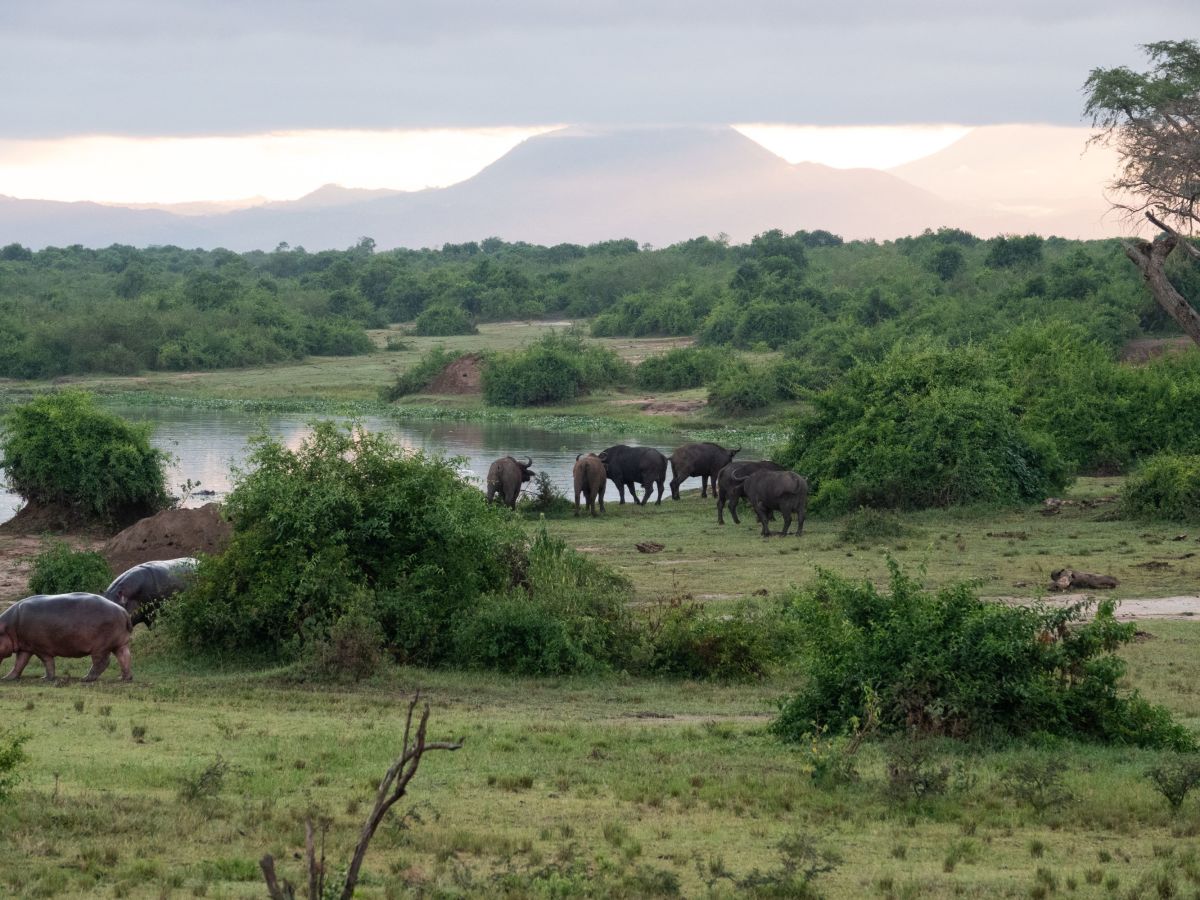
As a result, this area is particularly rewarding for birding, with a rich mix of savannah and woodland species, as well as raptors using the shrubland for hunting and nesting. Larger mammals are still present, and sightings of elephant, buffalo, Uganda kob, and warthog are possible, with occasional chances of encountering lion or other predators moving through the more open sections, especially later in the afternoon.
The drive gradually climbs toward the crater lake region, where the vegetation thins and the landscape opens up. These ancient volcanic craters and their surrounding rims provide a striking contrast to the lowlands below, with panoramic views across crater lakes, forest patches, and, on clear days, the distant Rwenzori Mountains. Scenic stops along the way allow time to appreciate both the geology and the broader ecological story of the area.
As the light softens toward evening, the preserve takes on a warm, golden tone before the return drive to camp. The excursion offers a more nuanced safari experience, combining evolving landscapes, strong birdlife, and the possibility of larger wildlife, set against some of the most scenic terrain in the Queen Elizabeth region.
Daily Summary


Day 8
Fly to Bwindi National Park
Day Transfer & Cultural Lake Excursion en route to Bwindi National Park
Begin your day taking a private boat across the Kazinga Channel to the Kasese Airstrip for your short regional flight toward southwestern Uganda. After landing at Kisoro Airstrip, your guide will meet you for the next leg of the journey that brings you deep into the verdant highlands surrounding Lake Mutanda.
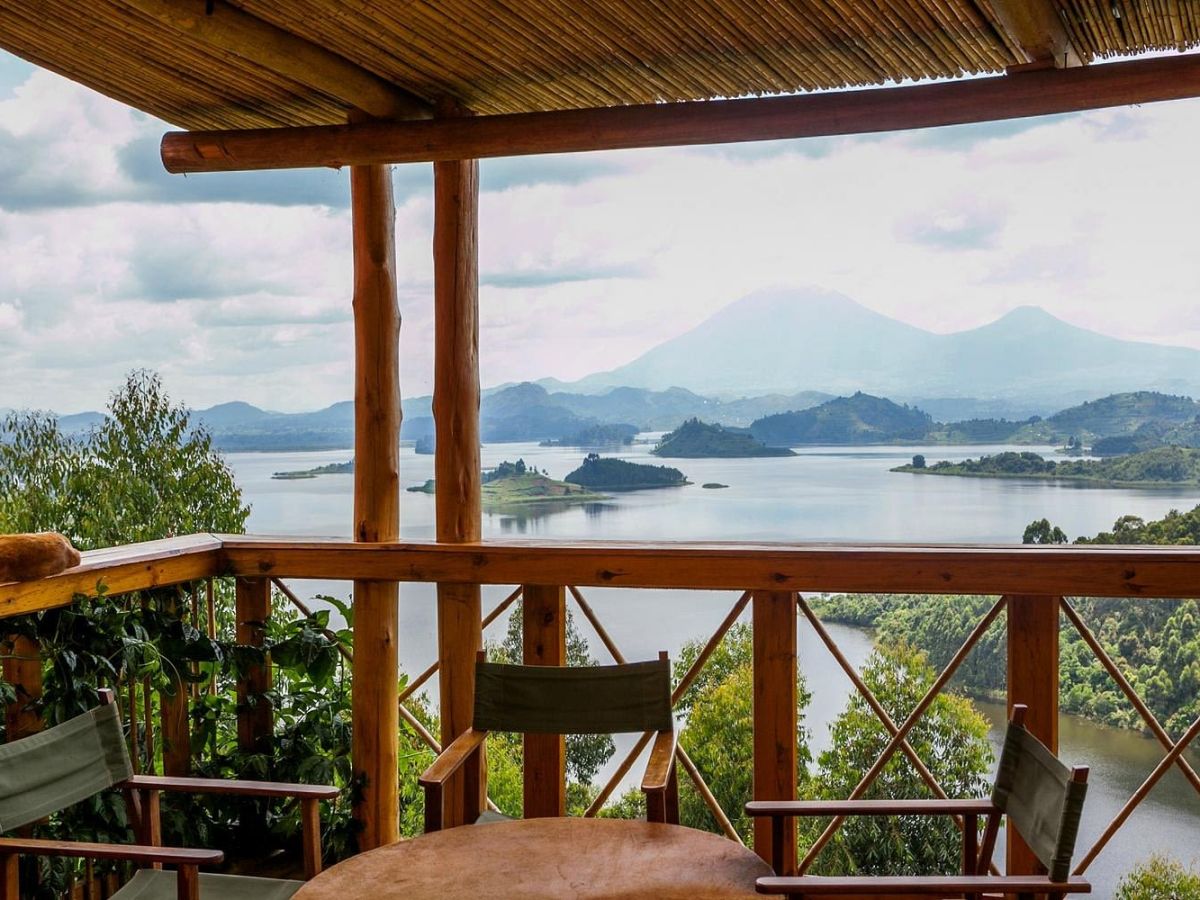
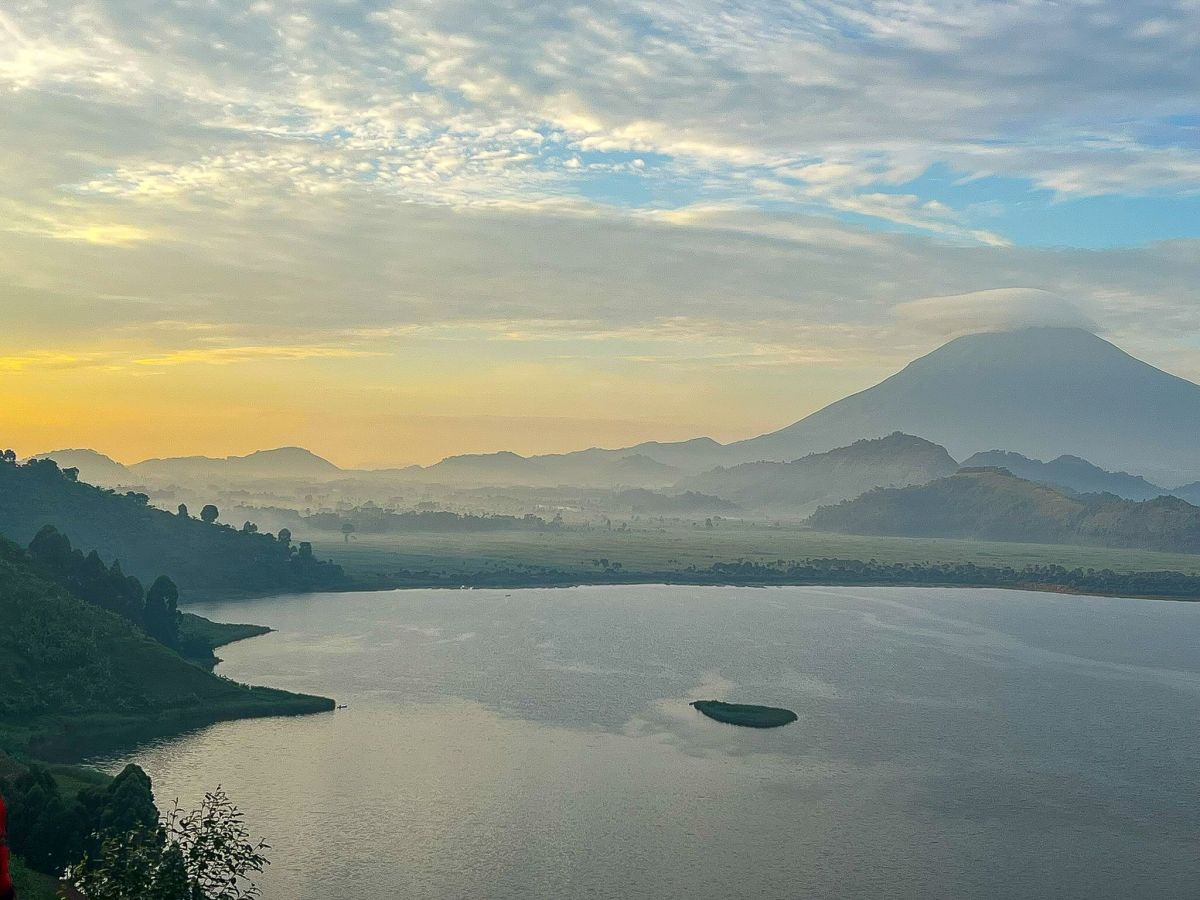
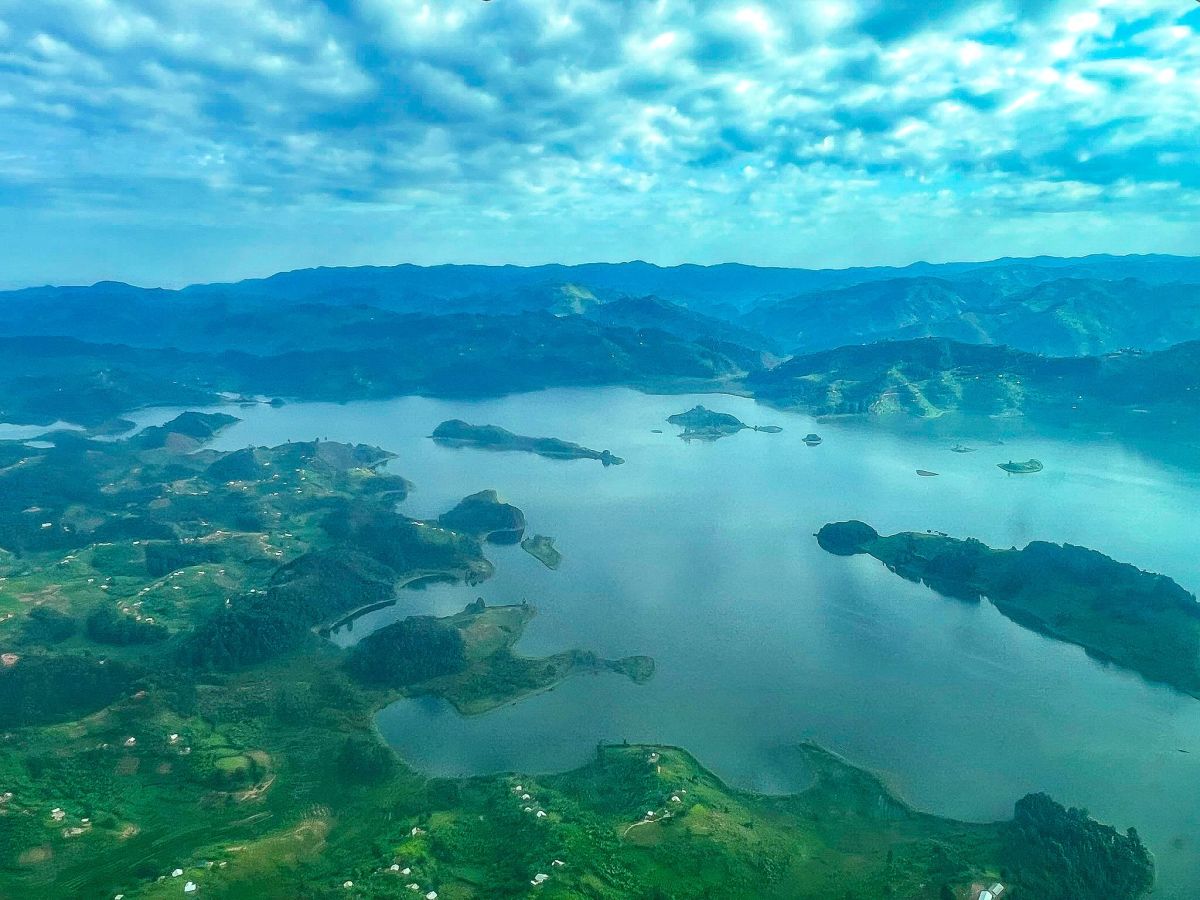
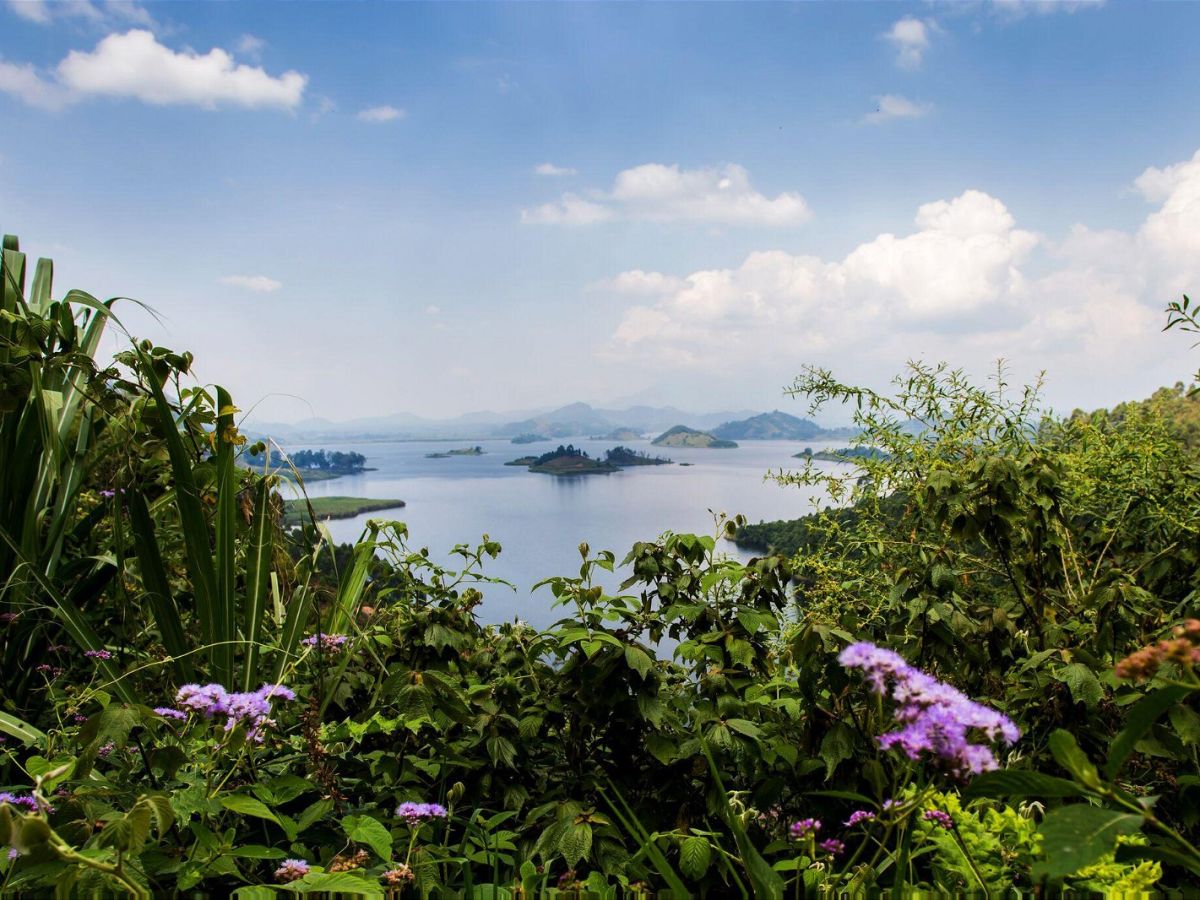
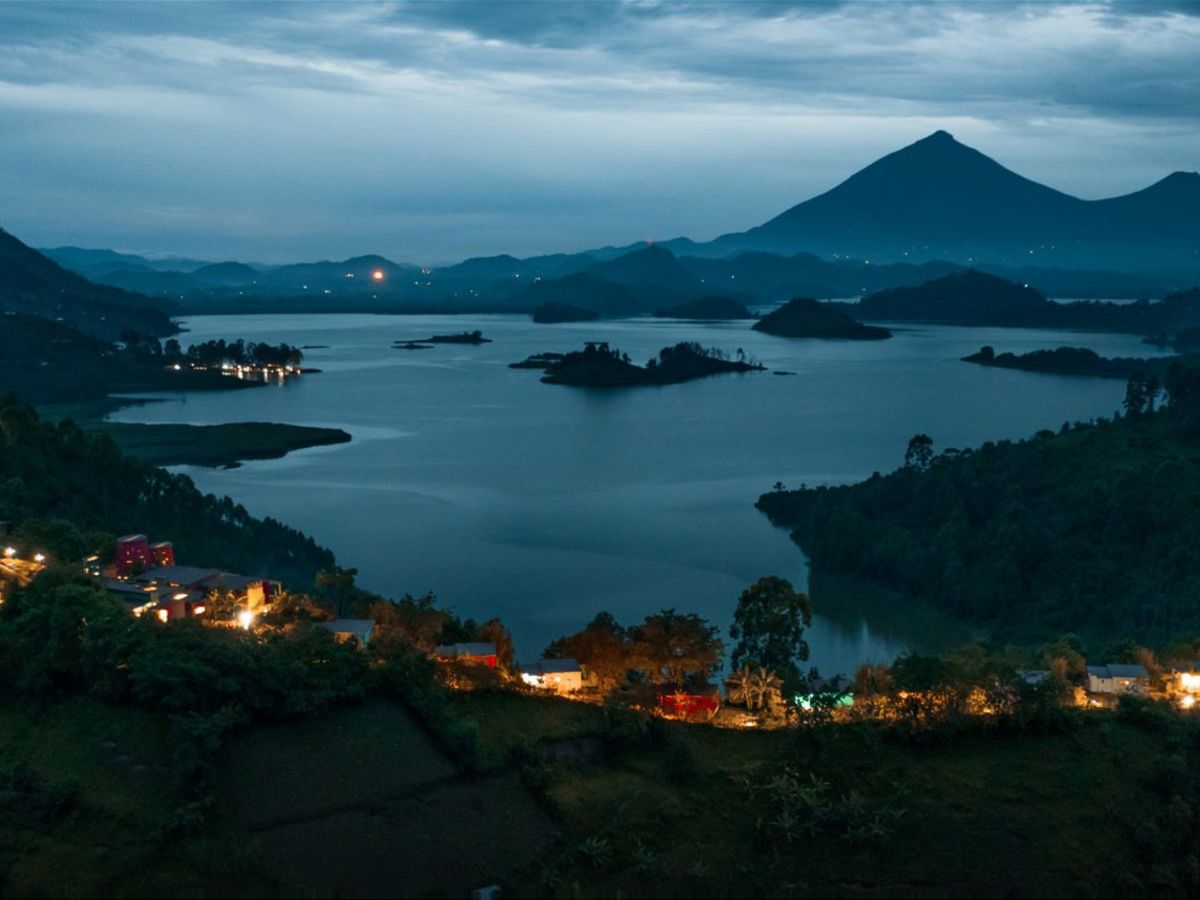
From Kisoro, enjoy a scenic road transfer through rolling hills, coffee plantations, and small villages toward the shores of Lake Mutanda, nestled at about 1,800 m above sea level and framed by the majestic Virunga Volcanoes. The lake itself features around 15 islands, each with its own character, some steeped in local history, others home to small farming communities practicing coffee, banana, and maize cultivation against an unforgettable volcanic backdrop.
Upon arrival at the Lake Mutanda boat jetty, board a comfortable motorized boat for a lakeside cruise headed toward the islands. Along the way, your guide will share insights into the cultural and natural history of the region, from the island communities and how they sustain life in this fertile yet remote area, to remnants of historic sites such as the so‑called “punishment islands” where local traditions once played out on isolated shores.
One highlight of your cruise is a visit to one of Lake Mutanda’s inhabited islands, where you’ll step ashore to meet local families, visit village paths, and see first‑hand how agriculture and community life thrive surrounded by water and volcanoes. It’s a warm, authentic experience that connects you with the people whose lives are intertwined with this remarkable landscape.
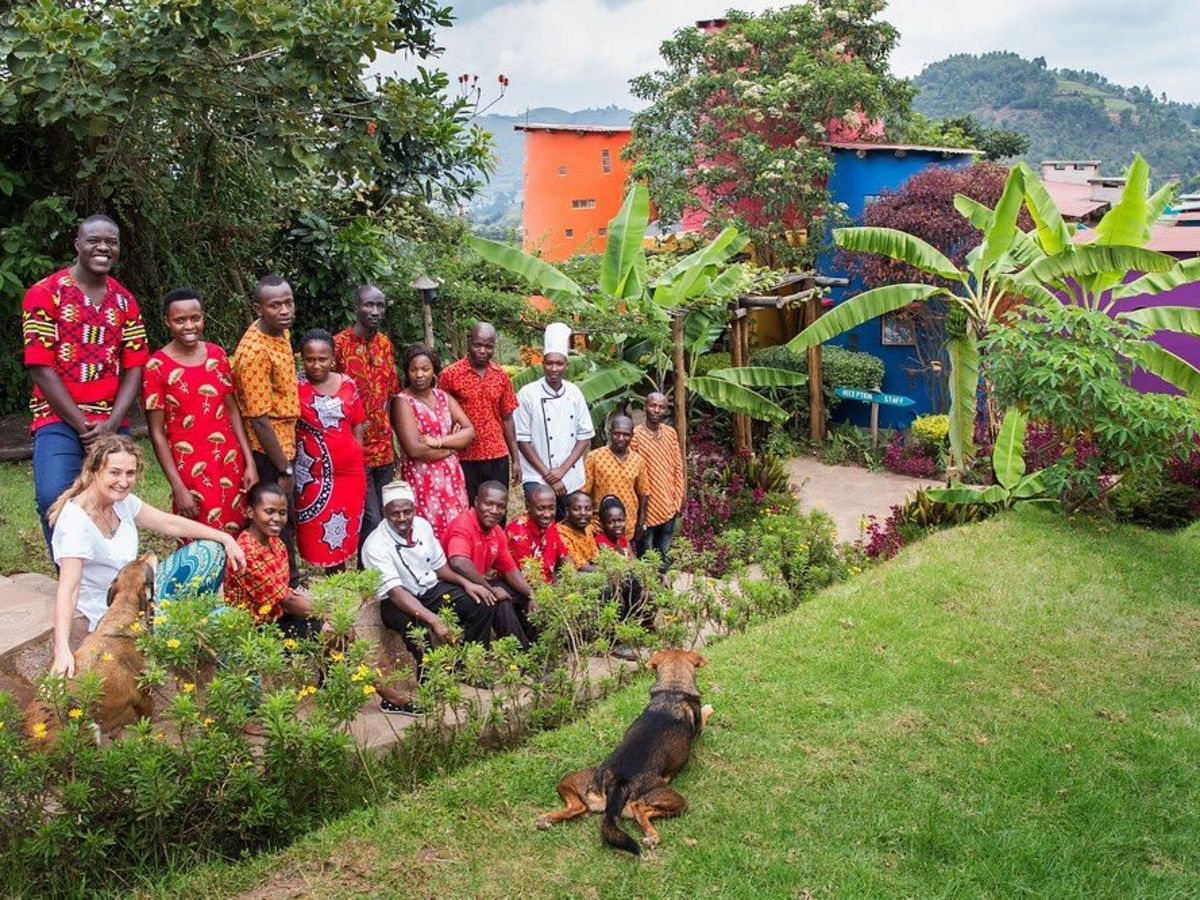
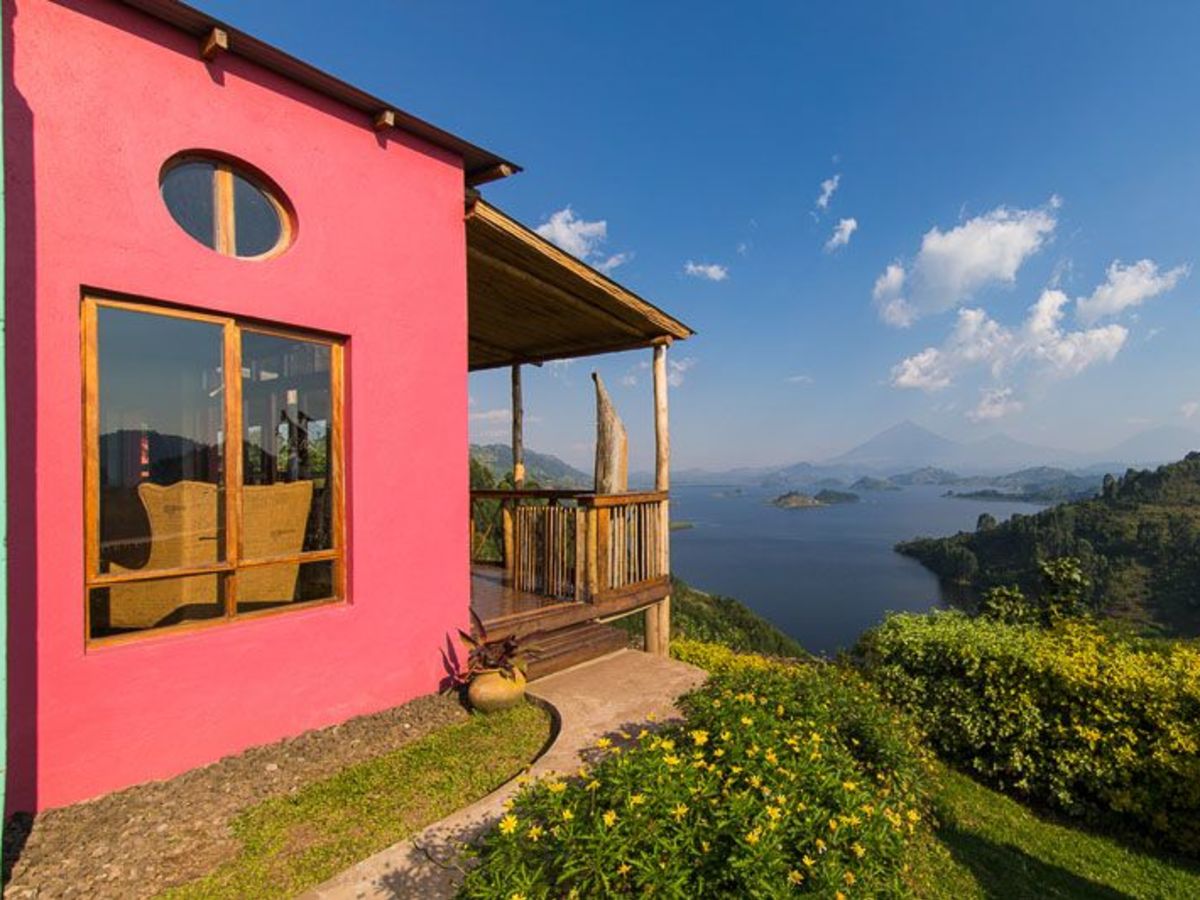
After your cultural stop, continue across the calm waters, with views of birds, freshwater habitats, and distant peaks leading you toward your final destination, Chameleon Hill Lodge. Perched on a hillside overlooking the lake, the lodge offers panoramic vistas and stylish comfort, a peaceful retreat after a day of travel and discovery.
Daily Summary

Day 9
Gorilla Trekking in Bwindi National Park
Gorilla Trekking in Bwindi Impenetrable National Park
Gorilla trekking in Bwindi is not just a wildlife experience—it’s a powerful connection to one of our closest relatives and a reminder of what careful conservation can achieve. With expert supervision from UWA rangers, support from local porters, and respectful access to these remarkable animals, your day in the Rushaga Sector will be both profoundly meaningful and responsibly managed.
What to Expect on Trekking Day
Early Morning Start
Your day begins early with a transfer to the Rushaga park headquarters for a mandatory briefing by UWA officials. Here, you’ll be assigned to a specific gorilla family and meet your trekking team.
The Trek
-
Duration: Anywhere from 2 to 6 hours total, depending on gorilla movement
-
Distance: On average 2–7 km (1.5–4.5 miles) round trip
-
Terrain: Steep, uneven, and often muddy forest trails; some off-trail hiking through dense vegetation
-
Altitude: Approximately 1,600–2,600 meters (5,250–8,500 feet) above sea level
Once the gorillas are located, you’ll spend a strictly limited 1 hour in their presence—an intimate and unforgettable experience observing family interactions, feeding, and gentle behaviors just meters away.
Rangers, Trackers & Porters
Every trek is led and supervised by highly trained UWA rangers and trackers, many of whom have worked with the same gorilla families for years. Trackers head out early in the morning to locate the gorillas before guests depart, ensuring safety and minimizing environmental impact.
Porters are available at the trailhead for $20 per porter and are highly recommended. They can:
-
Carry your daypack and camera gear
-
Assist on steep or slippery sections
-
Provide encouragement and local knowledge
Hiring a porter not only makes the trek more comfortable, but also directly supports local livelihoods and community conservation efforts.
What to Wear & Bring
Essential Clothing
-
Long-sleeved shirt and long trousers (protection from insects and nettles)
-
Waterproof hiking boots with good ankle support
-
Lightweight rain jacket or poncho
-
Gaiters (optional but helpful for mud)
Recommended Gear
-
Gardening or trekking gloves (for gripping vegetation)
-
Daypack with water (at least 1.5–2 liters)
-
Energy snacks or packed lunch
-
Camera (no flash permitted)
-
Hat and sunscreen (for exposed sections)
-
Insect repellent
Important Guidelines & Health Considerations
-
Maintain a minimum distance of 7 meters from gorillas
-
Masks are required during the 1hr gorilla encounter
-
No flash photography
-
If you are feeling unwell, especially with flu-like symptoms, you may be asked not to trek (to protect the gorillas)
-
Children must be 15 years or older
-
Reasonable fitness is required; treks can be physically demanding
Bwindi Impenetrable National Park is a UNESCO World Heritage Site and home to nearly half of the world’s remaining mountain gorillas. Its ancient montane forest—over 25,000 years old—is also a biodiversity hotspot, sheltering hundreds of bird species, butterflies, and rare plant life. All gorilla trekking activities are regulated by the Ugandan Wildlife Authority (UWA), which manages permits, conservation, ranger training, and community engagement. Permit fees directly support gorilla protection, anti-poaching patrols, habitat preservation, and benefit-sharing programs for nearby communities—making your visit a vital part of long-term conservation.
Daily Summary


Day 10
Gorilla Trekking in Bwindi National Park
Gorilla Trekking Day Two
A second day of gorilla trekking in Bwindi offers a deeper, more nuanced experience; one that builds on the awe of the first encounter and reveals just how varied these treks can be. No two gorilla families behave the same, and no two days in the forest unfold alike.
On your second trek, you may visit a different gorilla family, often in a new part of the Rushaga sector, with distinct terrain, forest density, and group dynamics. You might observe playful juveniles one day and a dominant silverback’s quiet authority the next, or encounter a family mid-feeding rather than on the move. Having already learned how to position yourself, move calmly, and read the forest, many guests find they are more relaxed and observant on day two.
A second day also allows for greater photographic opportunities—different light, angles, and behaviors—and a deeper appreciation of the work done by trackers and rangers who follow the gorillas daily. Physically, you know what to expect, and mentally, you’re better able to slow down and fully absorb the experience. Above all, two days in Bwindi transform a single extraordinary moment into a richer story. The forest feels less mysterious, the gorillas feel more familiar, and the experience shifts from a once-in-a-lifetime encounter to a meaningful connection, one that we feel is well worth the extra day.
Daily Summary


Day 11
Return flight to Entebbe / International Departure
Transfer Day: Bwindi to Entebbe
After breakfast at Chameleon Hill Lodge in the Rushaga Sector, you’ll depart by private vehicle for the scenic drive back to Kisoro, enjoying final views of the rolling hills and rural landscapes of southwestern Uganda. From Kisoro, you’ll board a scheduled domestic flight to Entebbe, offering a smooth and time-efficient connection back to the capital.
On arrival in Entebbe, a day-use room at Karibu Guesthouse is reserved for your comfort—ideal for resting, refreshing, or organizing luggage after your journey. Later in the afternoon or early evening, you’ll be transferred by private vehicle to Entebbe International Airport in time for your onward international departure, bringing your Ugandan adventure to a relaxed and well-paced close.
Daily Summary
Accommodation
| Accommodation | Location | Details |
|---|---|---|
| Karibu Guesthouse | Entebbe, Uganda | |
| Nile Safari Lodge | Murchison Falls, Uganda | |
| The River Station | Katunguru, Uganda | |
| Chameleon Hill Lodge | Kisoro, Uganda |
Entebbe, Uganda
Karibu Guesthouse
Day Use Room Room available for up to three people, offering a comfortable space with en-suite facilities for daytime use until 9 pm.

Murchison Falls, Uganda
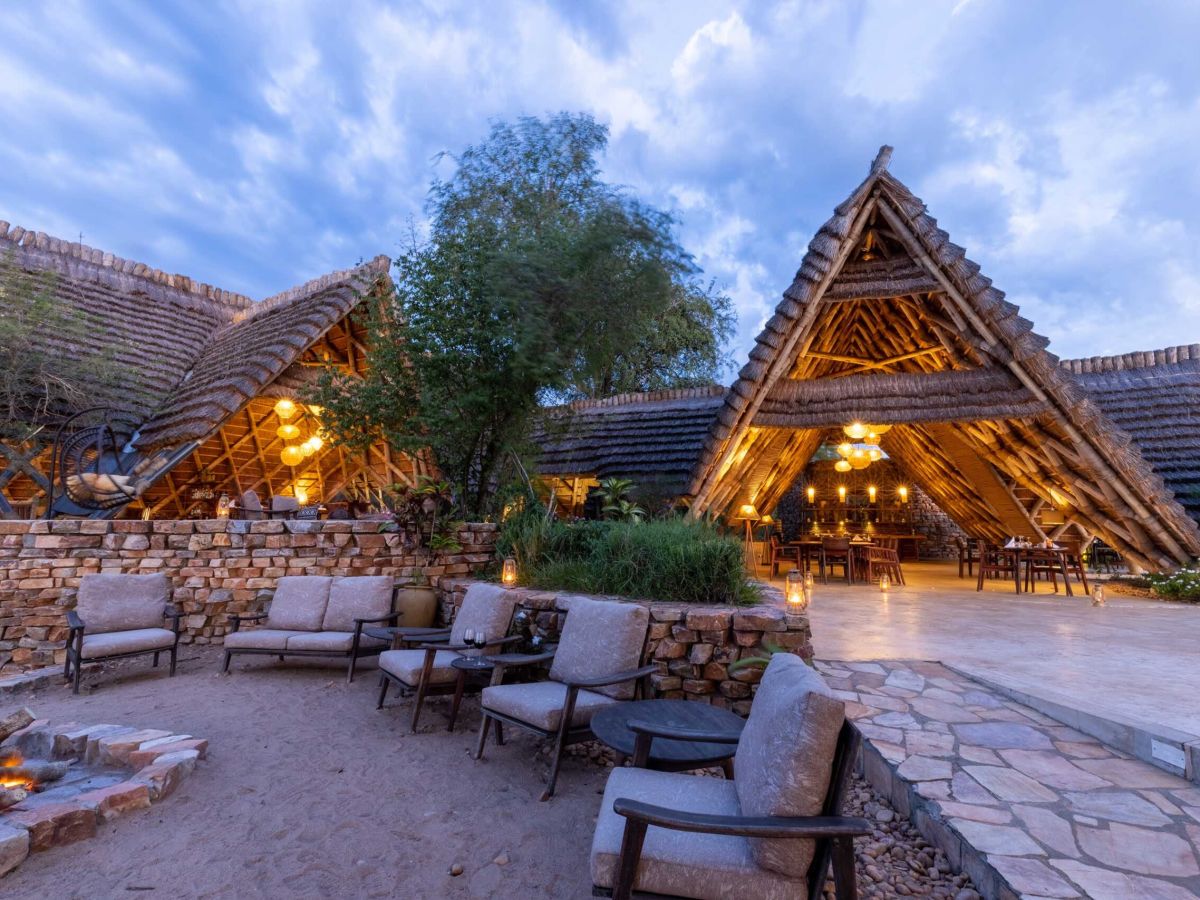
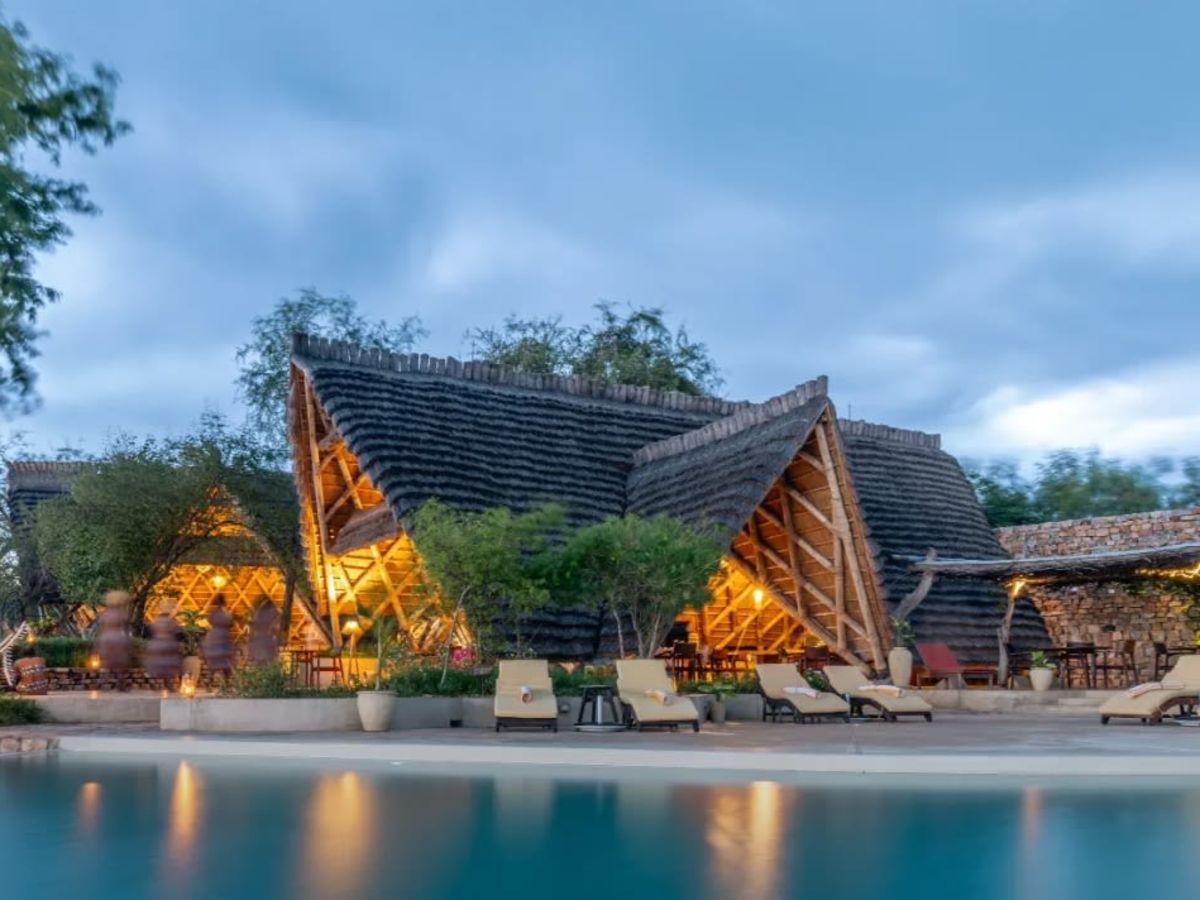
Nile Safari Lodge
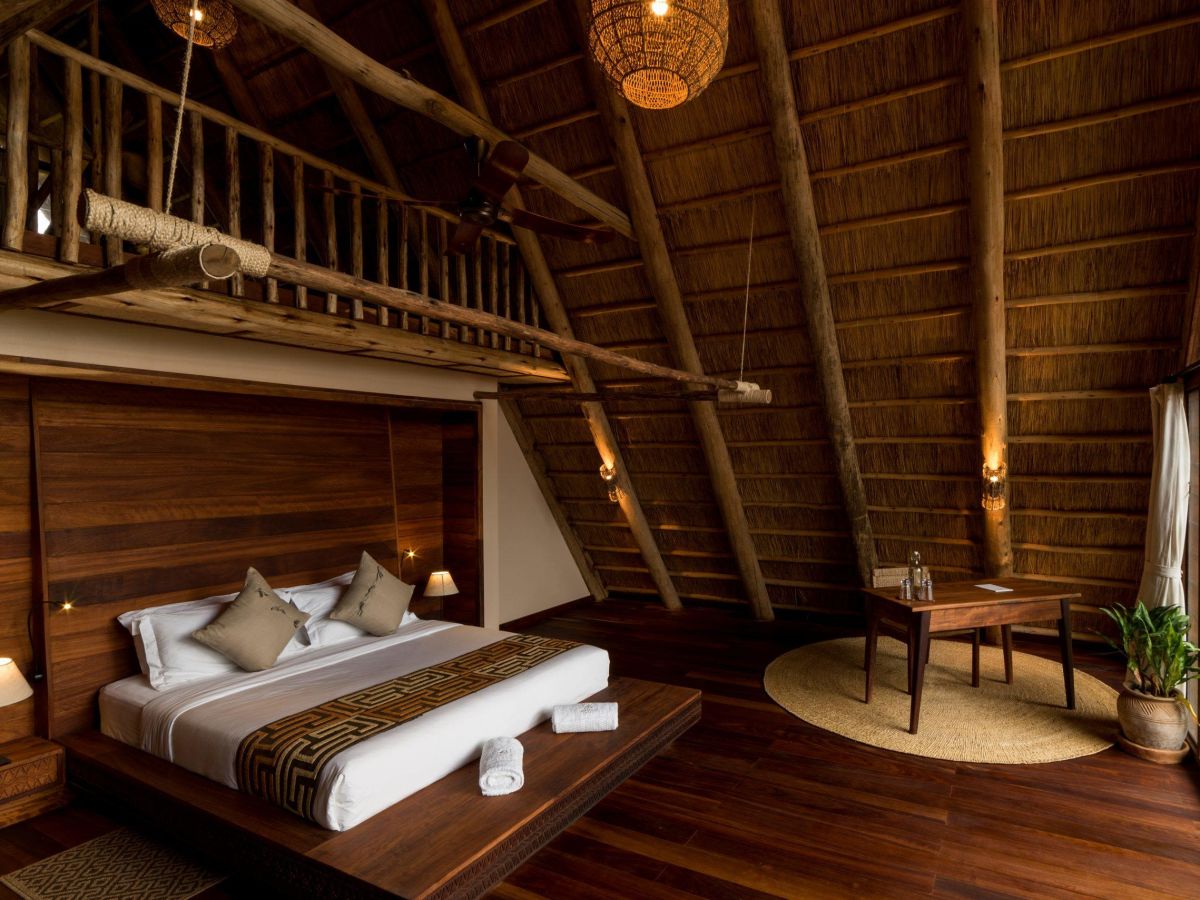
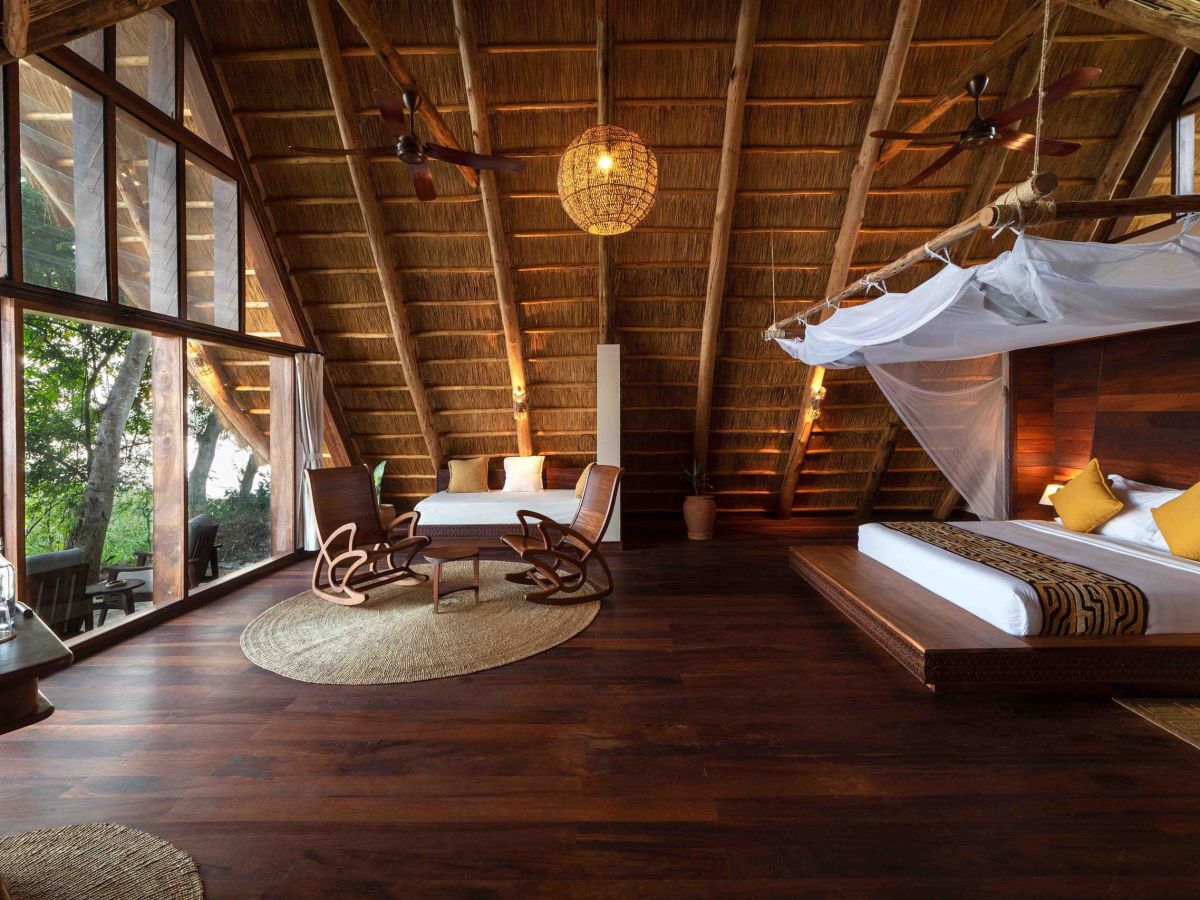
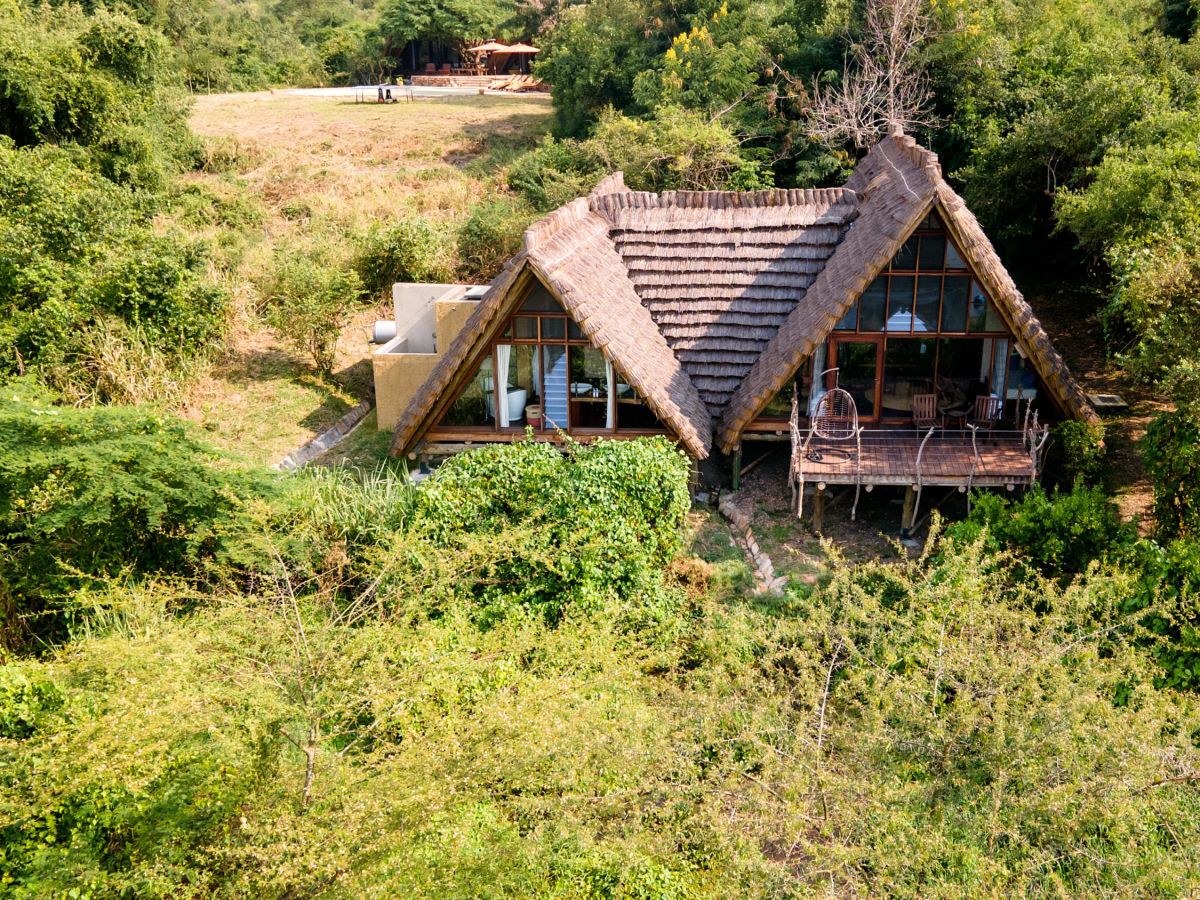
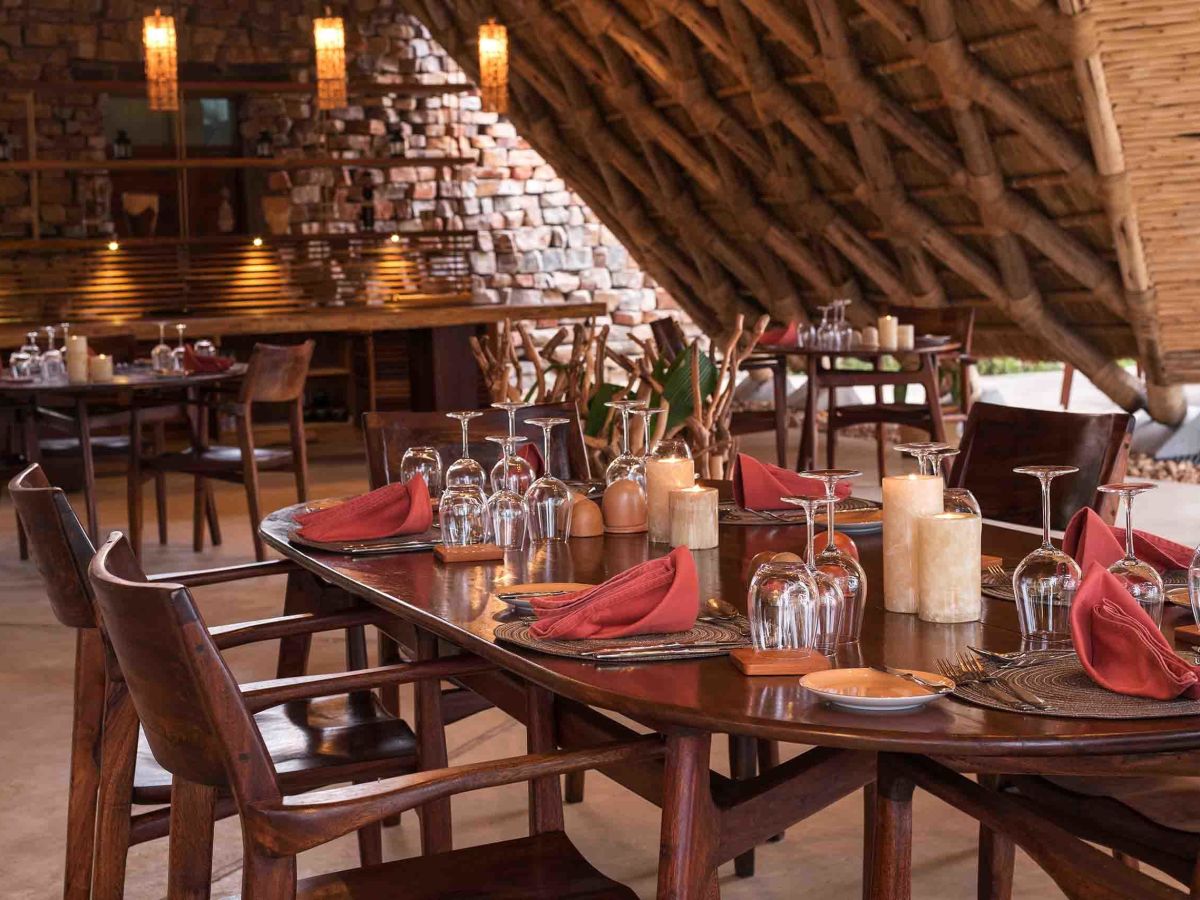
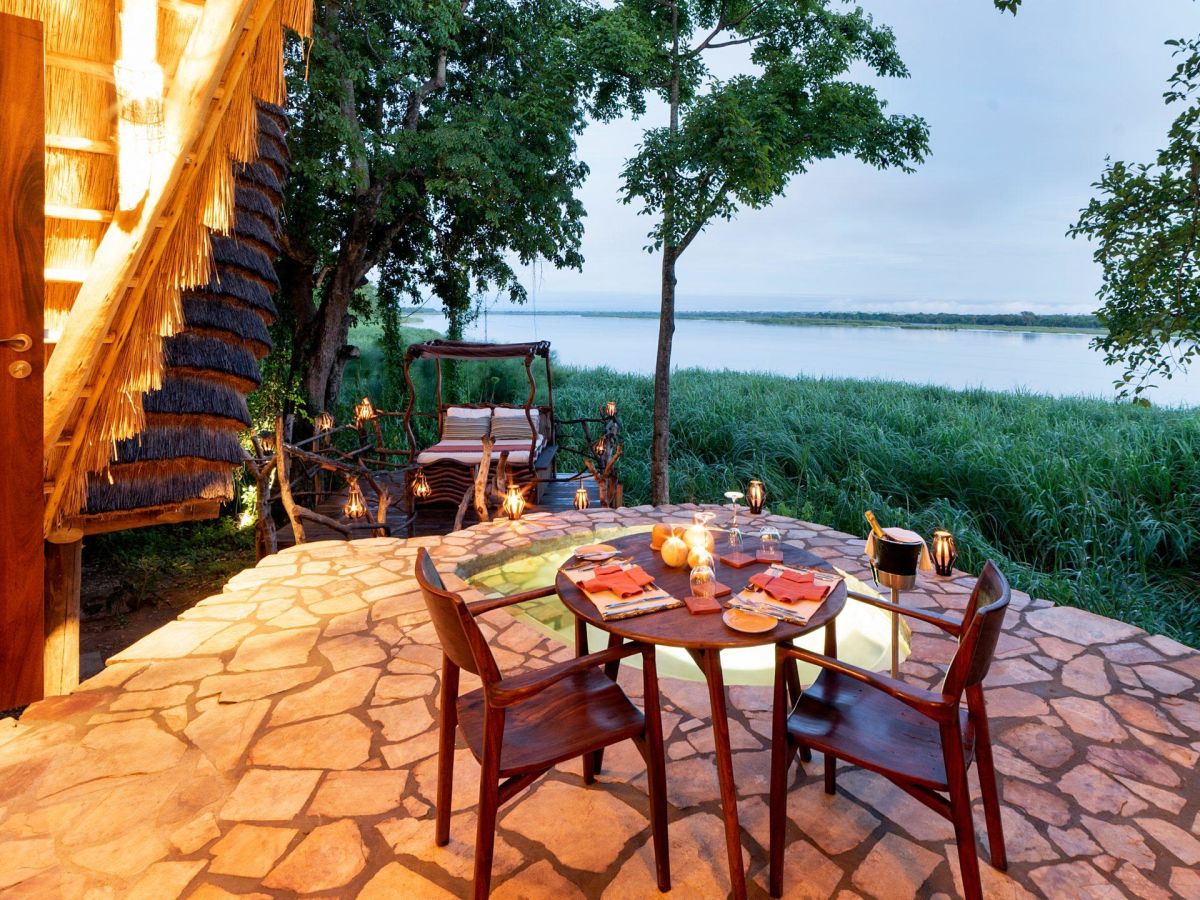
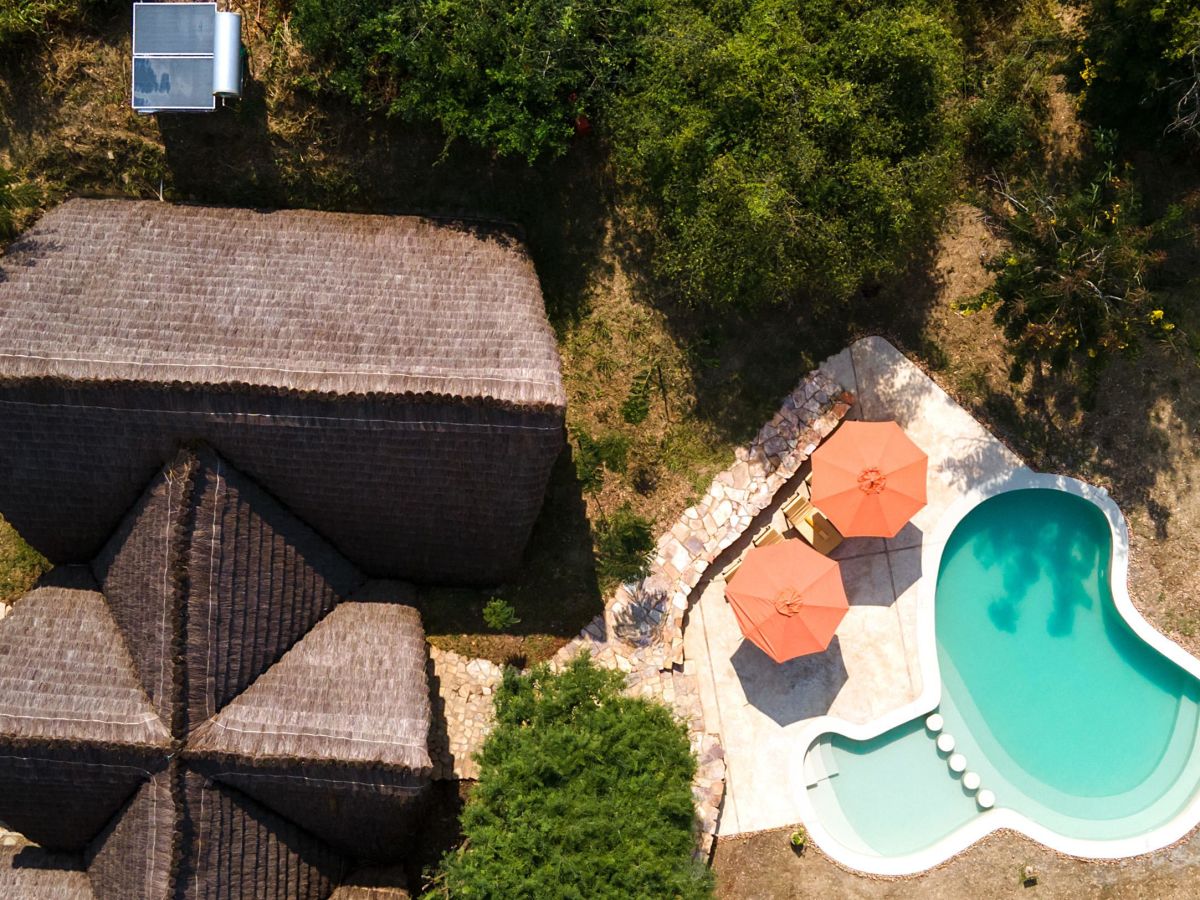
Deluxe Banda Each of the six Deluxe Bandas offers a high level of luxury and service, featuring a traditional freestanding bathtub, indoor and outdoor showers, and a private viewing deck with a swing chair and deck chairs.

Katunguru, Uganda
The River Station
Safari Cottage Grand and breezy tented cottages featuring expansive decks, private plunge pools, and both indoor and outdoor showers, offering views over the Kazinga Channel and distant Rwenzori Mountains.


Kisoro, Uganda
Chameleon Hill Lodge
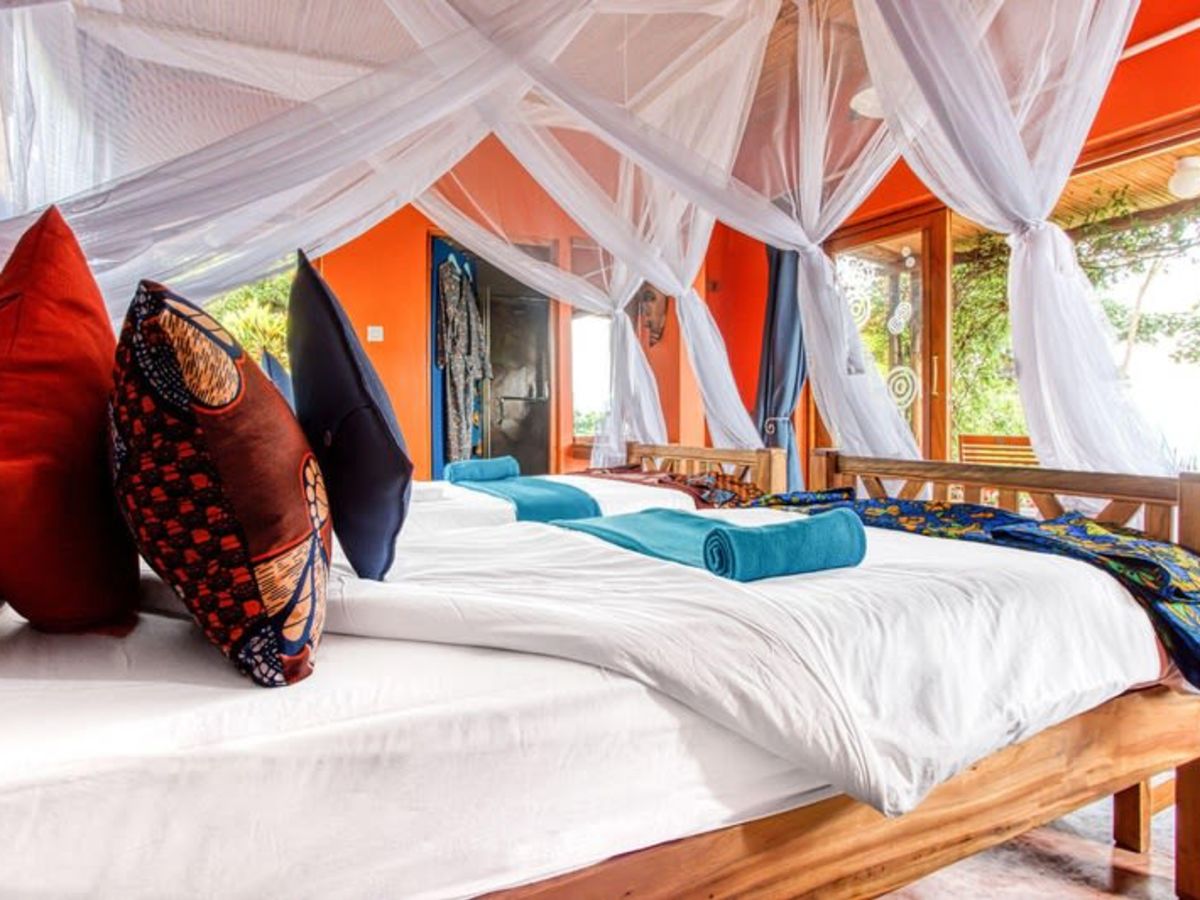
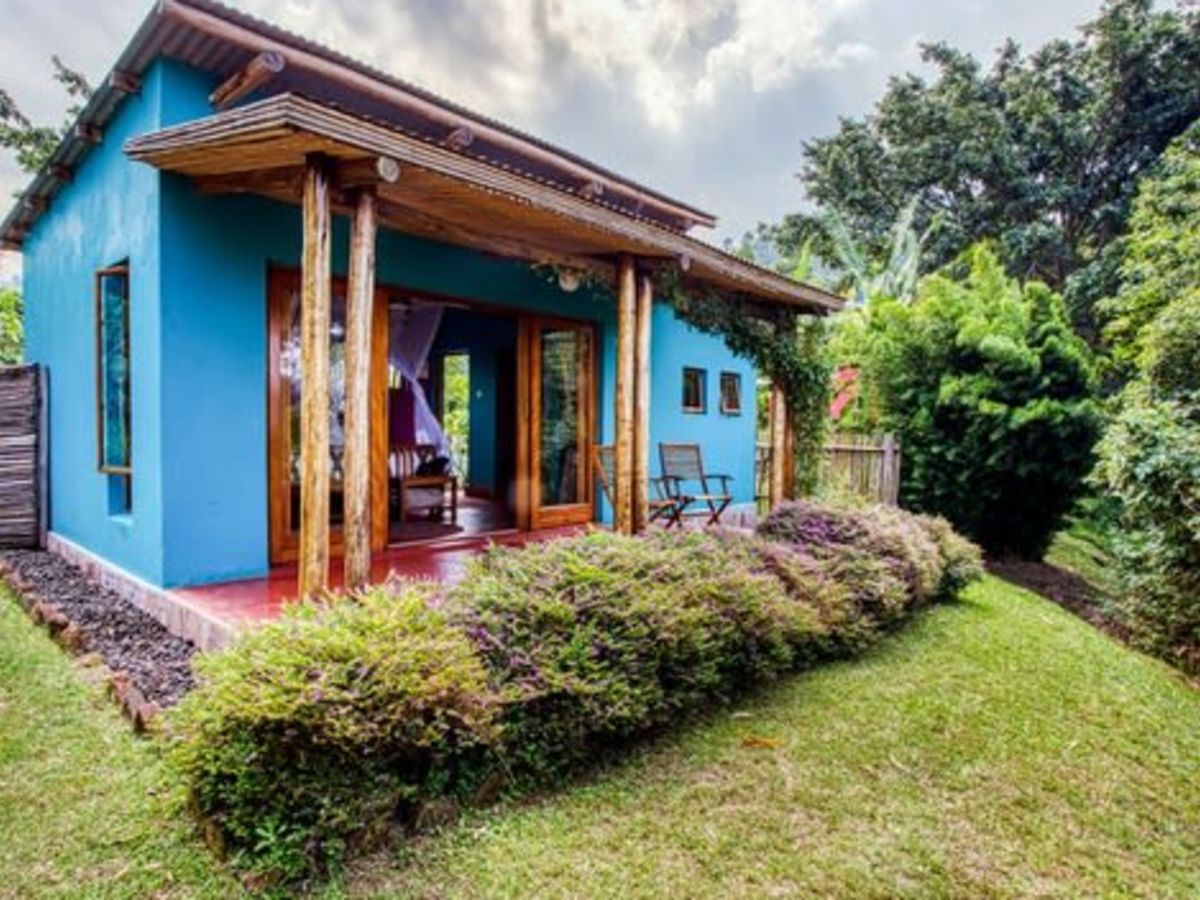
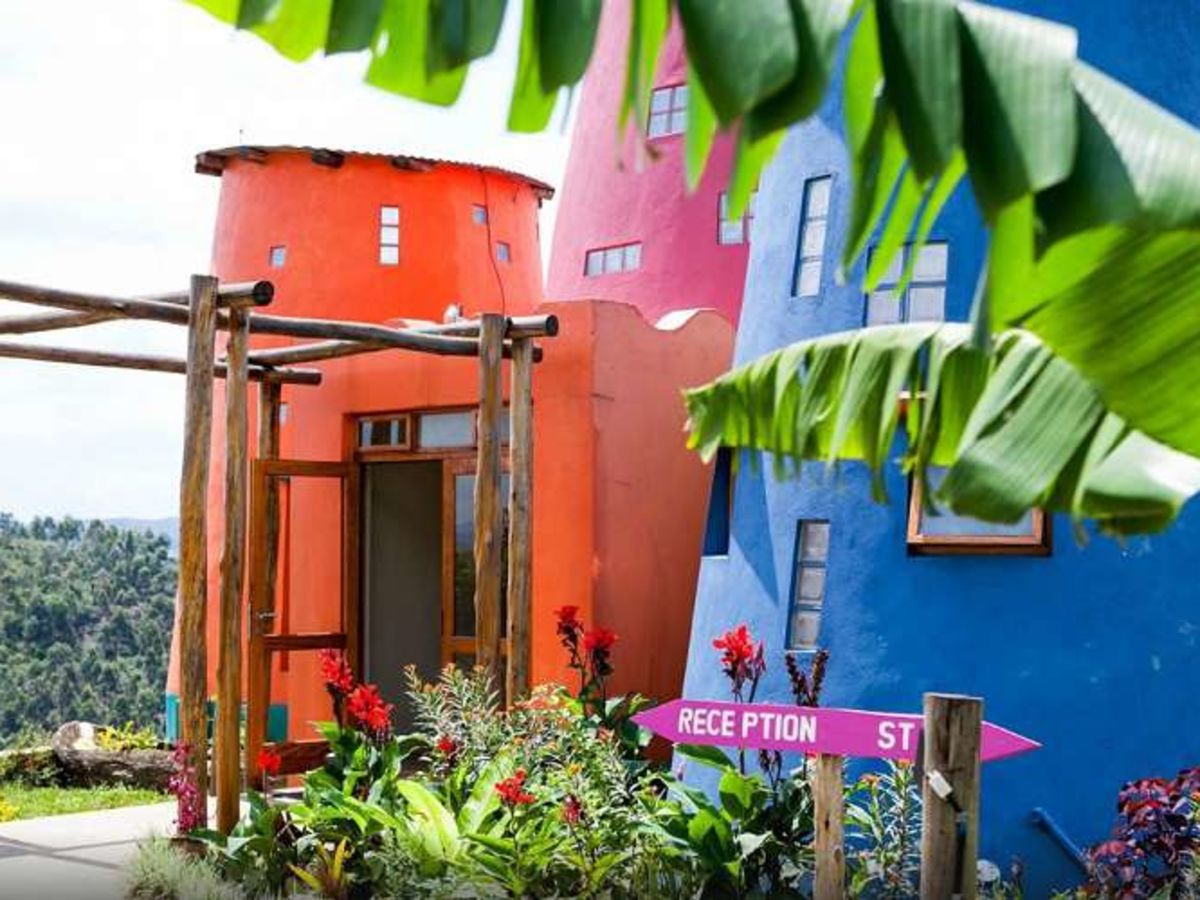
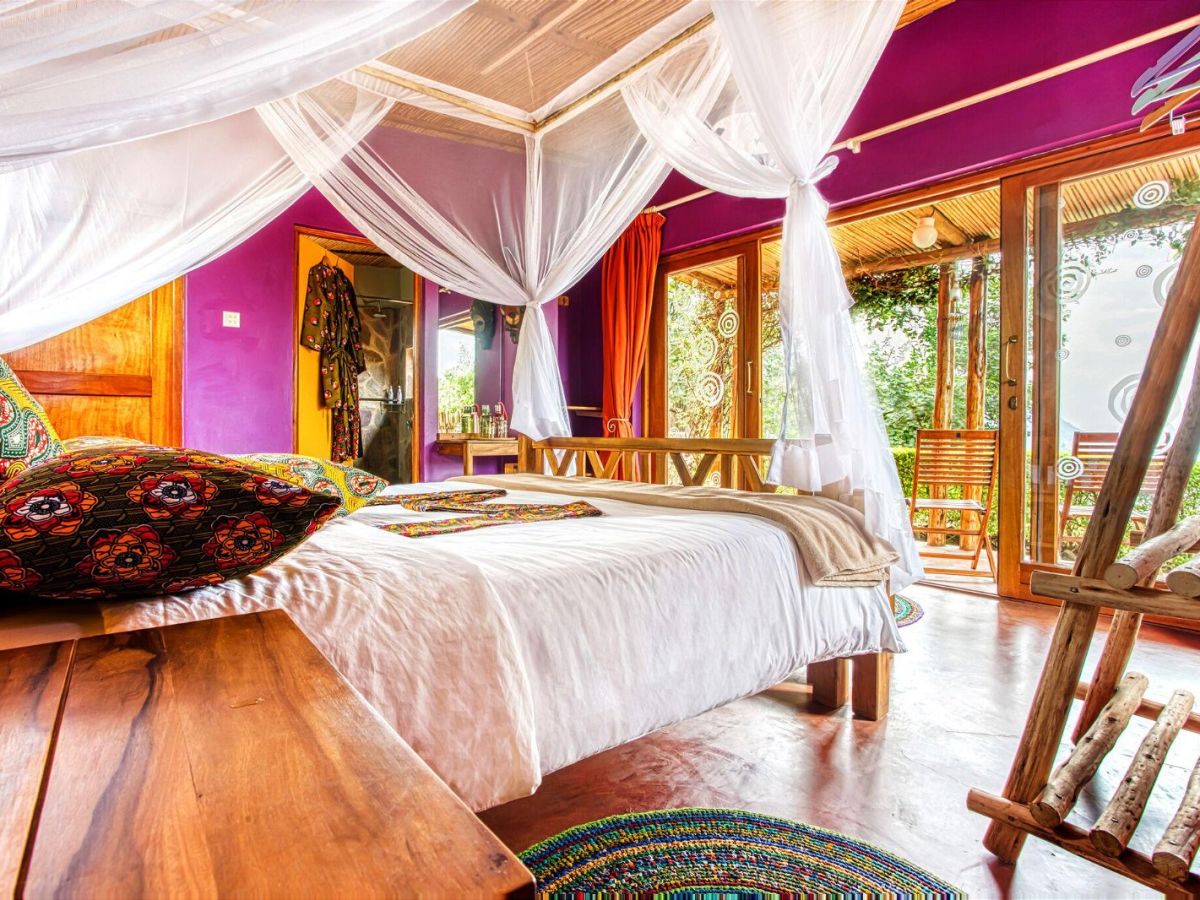
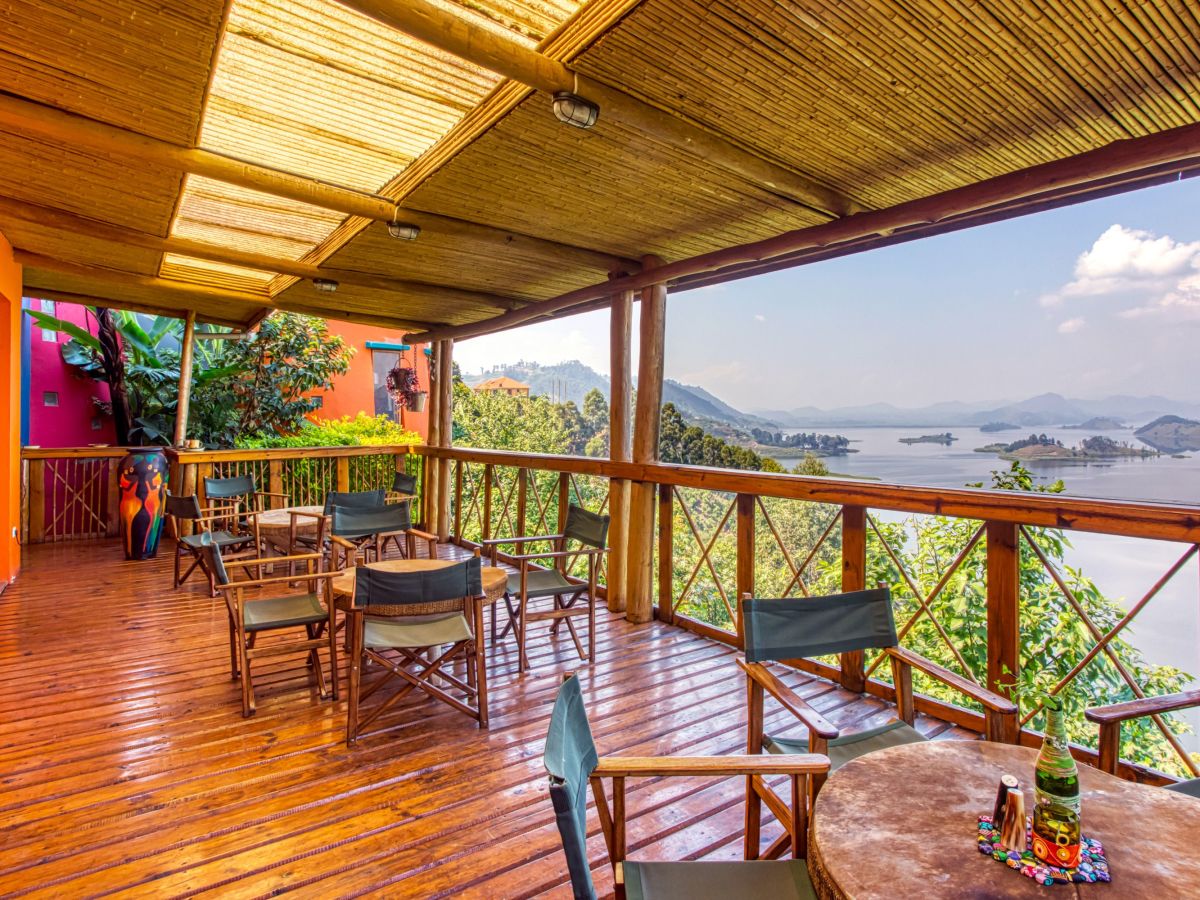
Deluxe Chalet A spacious chalet featuring high-quality furnishings and a private veranda overlooking the lake.
Details
Price Includes
- 10 Nights Accommodations and 1 day use room- Most meals as outlined in the itinerary
- 4 Light Aircraft Flights: Entebbe - Murchison, Murchison - Queen Elizabeth, Queen Elizabeth - Bwindi, Bwindi - Entebbe
- Private vehicle transfers with an English-speaking driver/guide
- Shared safari vehicles/boats Honeybear/The River Station
- All National Park, Permit and Community Levy Fees
~2 x Gorilla Trekking Permits ($800 per person)
~1 x Kyambura Gorge Chimpanzee Trekking Permit ($100 per person)
~1 x Lion Tracking Permit ($100 per person)
- 24-hour Emergency Support in-country
- Outlier Journeys custom itinerary design & trip management service, predeparture information and digital itinerary app
Price Excludes
- Visa Fees for Uganda ($50USD per person E-visa Required before arrival)- International Flights: to/from Entebbe (EBB), Uganda
- Meals not noted in the itinerary
- Alcoholic Drinks
- Optional Gratuities
- Items of a personal nature (laundry, wellness treatments) unless specified
- Optional activities or touring not mentioned in the itinerary
- Required Travel Insurance